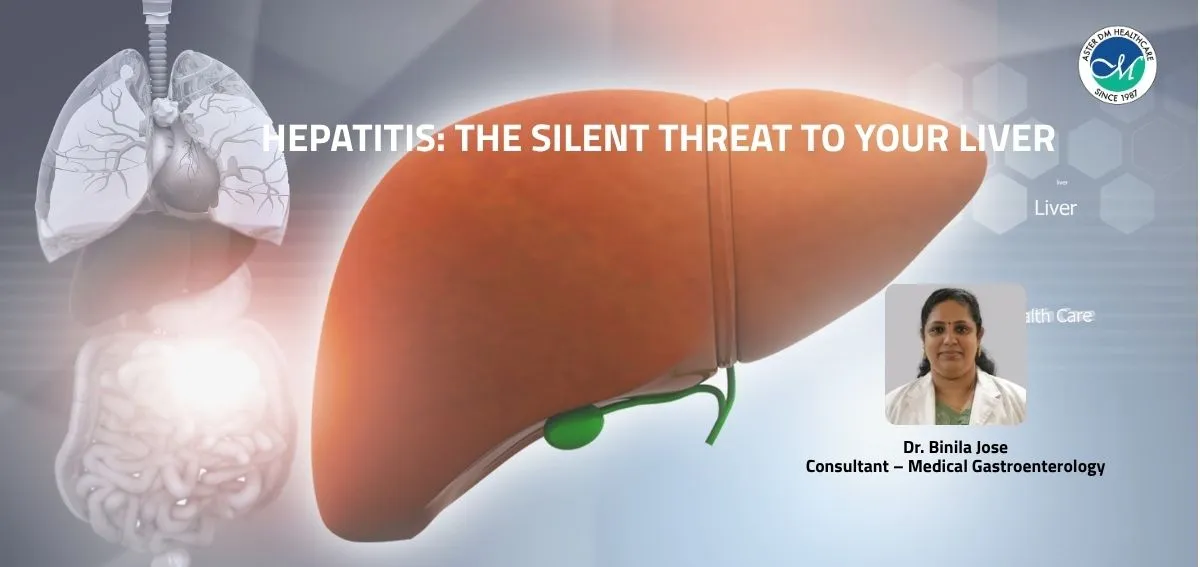

You move through your routines every day, from waking up and having your morning coffee to going to work and doing other activities, then finally heading back to bed. But have you ever paused and wondered what might be happening inside your body? There is this one organ that plays a key role in digestion, energy production and many other vital functions to keep us healthy, and we rarely think about it- the liver. But is the liver's health truly taken care of when it needs support? This blog looks at how liver health matters and also the practical steps you can take to protect it.
Role of the Liver
The liver is one of the hardest-working organs and also the largest gland in the human body. It works quietly and performs several vital tasks that keep you alive and energised. The tasks include filtering toxic waste, aiding digestion by producing bile, and regulating metabolism. It also stores energy (glycogen), minerals, and vitamins, and regulates blood volume by producing clotting factors and eliminating old red blood cells.
Liver problems usually don't show up immediately with any symptoms or warning signs, but poor liver health can affect liver function, energy levels, digestion, immunity, skin health, and much more. This is why learning to protect your liver is crucial: it prevents disruption to your overall system and supports your health in the long run.
How And When Does the Liver Get Stressed?
Liver problems start showing up gradually rather than immediately due to the following reasons.
• Overuse of alcohol
• Poor eating habits and consumption of processed foods
• Long-term use of medications (both prescribed and over-the-counter)
• Obesity and fatty liver issues
• Internal and external toxin exposure and infections
• Chronic stress and poor sleep quality
• Long-term sedentary lifestyle
The damage happening to the liver can occur in various ways, like inflammation, cirrhosis, fibrosis, or even slight fat accumulation. Recent studies report that many adults develop fatty liver condition even without consuming alcohol, and it is often noticed only after a medical evaluation. Several factors play a role in these conditions, like genetics, lifestyle and even the environment that you live in.
10 Ways to Improve Your Liver Health
Maintaining liver health naturally focuses mainly on reducing toxins, improving digestion and metabolism and supporting cell regeneration. Health experts often recommend a consistent lifestyle change to improve liver function gradually.
Here are the main tips for maintaining a healthy liver.
1. Eat a Balanced and Liver Friendly Diet
Consuming whole foods like fruits and vegetables, whole grains, and lean protein-rich foods is considered the best for your liver. It is always better to avoid ultra-processed foods, refined sugars, and all kinds of trans fats, which can cause fat buildup in the liver.
2. Reduce Alcohol Consumption to Support Liver Healing
Alcohol intake places direct metabolic strain on the liver, even if taken moderately, and can interfere with the liver’s ability to repair itself. People with a history of liver strain or fatty liver disease are recommended to minimise alcohol intake, as it will allow the liver recover and improve its function gradually
3. Stay Well Hydrated for Better Liver Health
Staying hydrated is one of the best ways to help your liver flush toxins and support bile production. If you get dehydrated, the liver slows detoxification, digestion, and other functions. Continuous water intake throughout the day is more effective than drinking large amounts at once.
4. Maintain a Healthy Body Weight to Support Liver Function
Body fat, if in excess, gets deposited on various parts of your body, such as the abdomen, arms, etc. This increases the risk of fatty liver disease and contributes to inflammation. When you work on losing excess fat, your liver enzyme levels will improve, reducing inflammation.
5. Make Physical Activity a Daily Routine
A sedentary lifestyle can weaken the liver's functions, including fat processing and other metabolic activities. Hence, doing very light activities, such as walking or exercising in a gym or at home consistently, will help your liver remain healthy and fully functioning. This will help the liver improve insulin sensitivity and shed fat.
6. Use Medications Responsibly
There are some medications that can give additional strain to the liver when used for a long duration or without a prescription. It is highly recommended to use any medication, both over-the-counter and prescribed, at the correct dosage and only for the prescribed duration to ensure medical safety. Consulting a qualified medical professional for continuing a medication or while starting on a new medicine is highly recommended to help your liver from any medical risks.
7. Limit Sugar Intake and Choose Liver-Friendly Nutrients
Sugar may be sweet, but your liver doesn't think that way. It makes fat production too easy for the liver, which will eventually get accumulated around it, resulting in inflammation. Cutting back on sugar and incorporating healthy foods rich in antioxidants, such as turmeric and leafy greens, can help reduce stress in the liver.
8. Avoid Toxin Exposure and Protect Gut Health
A healthy gut prevents toxins from entering the bloodstream, relieving the liver of the burden of overloaded detoxification. Hence, it is essential to limit exposure to toxins, especially in the environment, such as toxic cigarette smoke, pesticides, or other harsh household chemicals. You can rely on consuming fibre-rich and probiotic-rich foods to support digestion and gut balance while eliminating any toxins.
9. Schedule Regular Screening to Track Liver Health
Experts recommend regular health checkups to identify any abnormality in liver function before symptoms become evident. For this, it is recommended that you have routine blood tests, such as liver function tests, to facilitate a timely diagnosis. Early detection and timely treatment will only help the liver from long-term damage.
10. Support Liver Function through Adequate Sleep
Liver health depends heavily on proper sleep habits, as the liver performs numerous functions during a deep sleep. So, maintaining a consistent sleep habit will help the liver function properly and heal.
Give Your Liver Time to Heal
The liver has a natural ability to regenerate itself after damage. But as you may know, the healing will take its time. But you will need to wait before you start noticing improvements, as recovery won't happen overnight. It will take weeks to months of proper, consistent care. The good news is that, with proper treatment, care, and attention, many liver conditions can be reversed, especially when detected early.
Your Liver Health Taken Seriously with Expert Care at Aster Medcity, Kochi
As you can see, your daily habits certainly play a role in maintaining liver health. Yet, certain liver conditions can worsen without a proper medical evaluation or care. The risks are high when your symptoms don't improve, or a previous history of liver diseases is present.
At Aster Medcity, Kochi, the team of experienced liver specialists and physicians delivers clinical precision and personalised care to their patients. The doctors use advanced diagnostics and evidence-based treatment protocols to diagnose liver conditions early and help patients manage them effectively.
If you are concerned about your liver health and looking for guidance in clearing all your doubts on it, you can consult specialists at Aster Medcity, Kochi, where the doctors are always happy to help. They help you take a firm step towards long-term health and well-being.