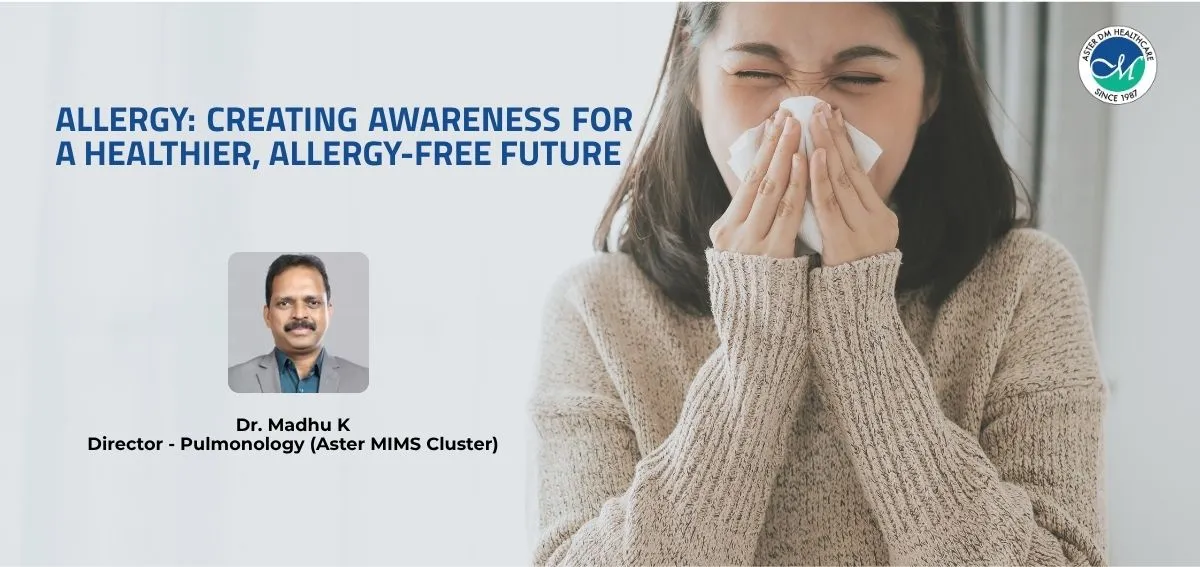

Allergy, focuses attention on the need to understand allergies better, recognize early warning signs, and ensure that individuals receive appropriate diagnosis and treatment.
Allergies are among the most common health conditions affecting people across different age groups. From seasonal sneezing and skin irritation to asthma attacks and severe allergic reactions, allergies can significantly influence a person's daily activities, sleep, work performance, and overall quality of life. With increasing environmental pollution, changing climate patterns, urban lifestyles, and continuous exposure to allergens, the number of people affected by allergic conditions continues to rise.
What Happens During an Allergic Reaction?
The immune system protects the body from harmful substances such as bacteria and viruses. However, in people with allergies, the immune system mistakenly identifies harmless substances as threats. These substances, called allergens, trigger an immune response that releases chemicals such as histamine, leading to various symptoms.
Allergens differ from person to person. Common triggers include household dust, pollen, mold, animal dander, certain foods, medications, insect venom, and environmental pollutants. Identifying individual triggers is one of the most important steps in effective allergy management.
Common Types of Allergies
Allergies can affect multiple systems of the body and may appear in different forms.
Respiratory allergies, are among the most frequently reported allergic conditions. Exposure to dust, pollen, or pollution may cause allergic rhinitis, resulting in sneezing, nasal blockage, throat irritation, and itchy eyes. In some individuals, allergens can trigger allergic asthma, causing coughing, wheezing, chest tightness, and breathing difficulties.
Food allergies occur when the immune system reacts to certain foods such as nuts, seafood, milk, eggs, or other dietary components. Symptoms may include skin reactions, digestive problems, swelling, or breathing difficulty.
Skin allergies may present as eczema, hives, itching, redness, or irritation after exposure to allergens or certain substances.
Drug allergies can occur when the body reacts adversely to specific medications and may range from mild skin reactions to serious allergic responses.
Understanding the type of allergy helps doctors develop a treatment plan that addresses the root cause rather than only controlling symptoms.
Recognizing Symptoms Early
Many people ignore allergy symptoms, assuming they are temporary. However, repeated or worsening symptoms may indicate an underlying allergic condition that requires medical attention.
Common symptoms include:
- Frequent sneezing and runny or blocked nose
- Persistent cough and throat discomfort
- Wheezing or difficulty breathing
- Itchy, red, or watery eyes
- Skin rashes, swelling, or itching
A severe allergic reaction called anaphylaxis requires immediate emergency care. It may cause swelling of the throat, severe breathing difficulty, dizziness, and a sudden drop in blood pressure.
The Role of Accurate Diagnosis
Effective allergy management begins with identifying the exact cause. Self-medication may provide temporary relief but does not address the underlying trigger.
Doctors use a combination of medical history, clinical examination, allergy testing, and specialized investigations to understand each patient's condition.
For individuals experiencing breathing-related symptoms, lung function evaluation may be required to assess conditions such as asthma and respiratory allergies. Consultation with a good pulmonologist in Calicut, can help patients receive expert evaluation, appropriate treatment, and long-term respiratory care.
Modern Approaches to Allergy Treatment
Treatment for allergies depends on the severity, frequency, and type of symptoms. A comprehensive approach may include:
Avoiding known allergens whenever possible
Medications to control symptoms and inflammation
. Inhalers for allergy-related asthma
. Nasal sprays for allergic rhinitis
Skin treatments for allergic skin conditions
Immunotherapy for selected patients to reduce sensitivity to specific allergens
The goal of treatment is not only symptom relief but also improving quality of life and preventing complications.
Access to Specialized Allergy Care
Patients with persistent allergies often require expert guidance for proper diagnosis and long-term management. A multidisciplinary approach involving allergy specialists, pulmonologists, and other healthcare professionals ensures complete care.
An Allergies specialist hospitals, can provide comprehensive evaluation, advanced diagnostic facilities, and personalized treatment options for various allergic conditions.
Early consultation is especially important for individuals experiencing frequent asthma symptoms, recurrent allergic reactions, chronic cough, or unexplained breathing difficulties.
Preventing Allergy-Related Problems
When Should You Consult an Allergy Specialist?
Many allergic symptoms may appear mild initially but can gradually affect daily activities if they are not properly evaluated. Individuals who experience frequent sneezing, persistent nasal blockage, recurring skin reactions, repeated asthma symptoms, chronic cough, or unexplained breathing difficulties should consider seeking specialist medical advice.
A detailed evaluation by an allergy specialist helps identify the specific triggers responsible for symptoms and allows the development of a personalized treatment plan. Modern allergy care focuses not only on controlling symptoms but also on preventing future allergic episodes and improving overall well-being.
People looking for an allergies specialist hospital in Kerala can benefit from advanced diagnostic facilities, expert consultations, and comprehensive management options for different allergic conditions. An allergies specialist hospital in Kozhikode can provide specialized evaluation for respiratory allergies, allergic asthma, skin allergies, and other immune-related conditions.
Patients with allergy-related breathing problems may also require expert respiratory assessment. A good pulmonologist in Calicut can help evaluate lung health, diagnose respiratory conditions, and provide appropriate treatment strategies for long-term symptom control.
While allergies cannot always be completely avoided, preventive measures can significantly reduce symptoms and improve daily life.
Simple steps include:
- Keeping homes clean and reducing dust accumulation
- Improving indoor air quality and ventilation
- Avoiding exposure to known allergens
- Following prescribed treatment plans regularly
- Maintaining a healthy lifestyle
- Seeking medical advice for recurring symptoms
Awareness among family members, schools, and workplaces is also important, especially for individuals with severe allergies.
Allergy reminds us that allergies deserve attention, understanding, and proper medical care. Early recognition of symptoms, accurate diagnosis, and timely treatment can prevent complications and help individuals maintain an active lifestyle.
With increasing awareness and access to specialized healthcare services, people living with allergies can improve quality of life. Recognizing the importance of prevention and professional guidance is the first step toward creating a healthier future for everyone.
Allergy reminds us that allergies require awareness, understanding, and timely medical attention. Early recognition of symptoms, accurate diagnosis, and appropriate treatment can help prevent complications and enable individuals to lead healthier, more active lives.
With advancements in allergy care and access to specialized medical support, people living with allergic conditions can achieve better symptom control and improved quality of life. Healthcare institutions such as Aster MIMS Calicut provide comprehensive evaluation, advanced diagnostic facilities, and expert care for individuals dealing with respiratory allergies, allergic asthma, and other allergy-related conditions.
Recognizing allergy triggers, following preventive measures, and seeking professional guidance at the right time are important steps toward building a healthier, allergy-aware future for everyone.