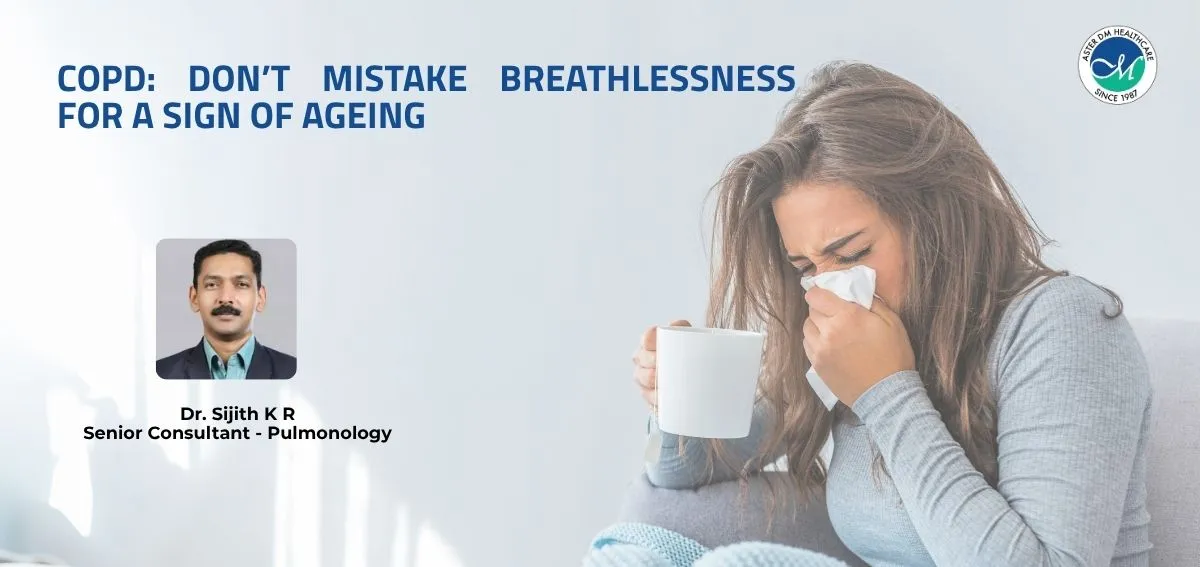

Persistent cough, phlegm, breathlessness while walking, and difficulty climbing stairs may be early signs of Chronic Obstructive Pulmonary Disease (COPD). Recognising these symptoms early and seeking timely medical care can help protect lung health and improve quality of life.
What Is COPD?
Chronic Obstructive Pulmonary Disease (COPD) is a long-term lung condition that restricts airflow into and out of the lungs, making breathing difficult. It includes conditions such as chronic bronchitis and emphysema, which affect the airways and the air sacs in the lungs.
Although COPD cannot usually be completely reversed, early diagnosis and appropriate treatment can help control symptoms, improve breathing, and maintain a better quality of life.
Don't Mistake the Symptoms for Age-Related Changes
COPD often develops gradually over several years. As a result, many people dismiss the early symptoms as normal signs of ageing.
They may notice that they can no longer walk as fast as before, feel breathless after climbing a few steps, or experience persistent coughing in the morning. Instead of seeking medical advice, they may assume these changes are simply part of getting older.
However, persistent breathlessness and coughing should never be ignored or automatically attributed to ageing. These symptoms may indicate COPD or another underlying health condition. Consulting a pulmonologist can help identify the cause and determine the appropriate treatment.
Early Warning Signs of COPD
Recognising the following symptoms can help identify COPD at an early stage.
1. Persistent Cough
A cough that lasts for weeks or months, particularly one that occurs regularly in the morning, may be an early sign of COPD.
2. Excessive Phlegm Production
Regularly coughing up mucus may indicate an underlying airway problem. Changes in the colour or amount of phlegm, particularly when accompanied by worsening symptoms, should be medically evaluated.
3. Breathlessness During Physical Activity
Experiencing unusual breathlessness while walking, climbing stairs, or carrying everyday items is one of the common symptoms of COPD.
4. Chest Tightness
A feeling of pressure, heaviness, or tightness in the chest may occur alongside breathing difficulties. Since these symptoms can have several causes, medical evaluation is important.
5. Wheezing While Breathing
A whistling sound during breathing may indicate narrowed airways and restricted airflow. Wheezing can occur in COPD and other respiratory conditions.
6. Unusual Fatigue
Feeling excessively tired while performing routine activities may be associated with reduced lung function or other underlying health problems.
Who Is at Risk of Developing COPD?
Several factors can increase the risk of developing COPD.
- Smoking: Cigarette smoking is a major risk factor. Exposure to second-hand smoke can also damage the lungs.
- Air pollution: Long-term exposure to dust, smoke, and harmful chemicals can affect respiratory health.
- Indoor air pollution: Regular exposure to smoke from firewood and other solid fuels, particularly in poorly ventilated spaces, can increase the risk.
- Occupational exposure: People working in construction, mining, manufacturing, and other industries involving dust or chemical fumes may be at greater risk.
- Genetic factors: Certain inherited conditions, such as alpha-1 antitrypsin deficiency, can increase susceptibility to COPD.
Although COPD is more common among older adults, it is not an inevitable consequence of ageing. People with relevant risk factors or persistent respiratory symptoms should seek medical evaluation.
How Is COPD Diagnosed?
If you experience symptoms associated with COPD, consulting a pulmonologist is an important first step. The doctor will assess your symptoms, medical history, smoking history, and exposure to environmental pollutants before recommending appropriate investigations.
Spirometry is the primary lung function test used to confirm COPD. It measures how much air you can breathe out and how quickly you can exhale, helping assess airflow obstruction.
Depending on your symptoms, the doctor may also recommend other investigations, such as oxygen level assessment, chest X-rays, or additional lung function tests.
Early diagnosis can help determine the severity of the condition and guide appropriate treatment.
Treatment Options for COPD
Although COPD cannot usually be cured completely, effective treatment can help manage symptoms, reduce flare-ups, and improve daily functioning.
Treatment may include:
- Inhalers: Bronchodilators and other prescribed inhaled medicines help improve airflow and control symptoms.
- Pulmonary rehabilitation: A structured programme involving exercise, breathing techniques, and education can improve exercise tolerance and everyday functioning.
- Oxygen therapy: May be recommended for selected patients with persistently low blood oxygen levels.
- Management of respiratory infections: Timely medical care can help manage infections that may worsen COPD symptoms.
- Regular follow-up: Routine assessments help monitor lung function, review symptoms, and adjust treatment when necessary.
The treatment plan depends on the severity of the disease, the patient's symptoms, and other existing health conditions. Using inhalers correctly and following medical advice are essential parts of managing COPD.
How Can COPD Be Prevented or Managed?
Taking appropriate preventive measures can help reduce the risk of COPD and support better lung health.
- Quit smoking and avoid exposure to second-hand smoke.
- Minimise exposure to dust, chemical fumes, and other respiratory irritants.
- Use appropriate protective equipment when working in dusty or polluted environments.
- Improve indoor ventilation and reduce exposure to smoke from cooking fuels.
- Stay physically active according to your health condition and your doctor's advice.
- Follow your doctor's recommendations regarding influenza, pneumococcal, and other relevant vaccinations.
- Seek medical advice if you experience persistent coughing, phlegm production, or unusual breathlessness.
Protect Your Lung Health: Recognise the Signs Early
Ageing can bring several physical changes, but persistent coughing and breathlessness should never be dismissed as normal signs of getting older. They may indicate COPD or another respiratory condition that requires medical attention.
Recognising the warning signs, getting an early diagnosis, and following the right treatment plan can help manage symptoms and maintain a better quality of life.
If you or a loved one experiences persistent cough, excessive phlegm, or breathlessness during everyday activities, consult a pulmonologist for an evaluation. Early attention to your symptoms can make a meaningful difference to your respiratory health.