
When a child falls sick around the time of a scheduled vaccination, parents often wonder whether it is safe to proceed. A mild fever, runny nose, cough, or diarrhoea may raise concerns about giving oral polio drops. Understanding when vaccination can continue and when medical advice is needed can help parents make informed decisions without unnecessarily delaying their child's protection.
Polio vaccination plays an important role in protecting children from a potentially disabling disease. However, the decision to vaccinate during an illness depends on the child's symptoms, their severity, and the type of vaccine being administered.
Why Is Polio Vaccination Important?
Polio is an infectious disease caused by the poliovirus. It mainly affects young children and can spread through contaminated food or water, particularly in areas with inadequate sanitation.
After entering the body, the virus multiplies in the intestine. In some cases, it can affect the nervous system and cause sudden weakness or permanent paralysis. When the muscles involved in breathing are affected, the illness can become life-threatening.
There is no specific cure for polio-related paralysis, making prevention through vaccination especially important.
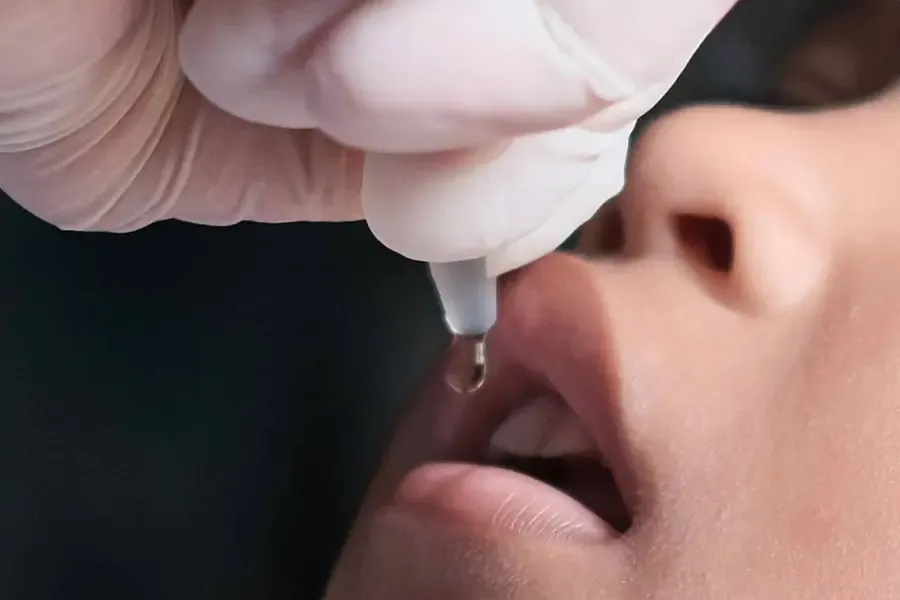
The oral polio vaccine (OPV), given as drops by mouth, helps build immunity in the intestine and reduces the risk of infection and transmission. Following the recommended immunisation schedule and participating in government-supported Pulse Polio campaigns, when eligible, helps strengthen community protection.
Parents should ensure that their children receive the recommended vaccine doses at the appropriate ages. If a dose is missed or postponed, a healthcare professional can advise on how to continue the vaccination schedule.
Is It Safe to Give Polio Drops to a Child With a Fever?
In many cases, a mild illness is not a reason to postpone oral polio vaccination. The child's overall condition should be considered before making a decision.
Mild fever, cold, or cough
Children with a mild fever, runny nose, or minor cough can generally receive their scheduled vaccines. These symptoms usually do not interfere significantly with the body's response to vaccination. Parents should inform the healthcare worker about the child's symptoms before the dose is administered.
High fever or a serious illness
If a child has a high fever or appears seriously unwell, a medical assessment may be necessary before vaccination. Depending on the child's condition, the healthcare professional may recommend postponing the dose until the child has improved.
Parents should not decide to delay vaccination solely because of a minor symptom. When in doubt, they should consult the paediatrician or vaccination centre.
What If the Child Has Diarrhoea or Vomiting?
Digestive problems require particular attention when a child is due to receive oral polio drops.
Mild diarrhoea
Mild diarrhoea does not usually prevent a child from receiving OPV. However, the immune response to the oral vaccine may be reduced in children with diarrhoea. A healthcare professional may recommend an additional dose according to the child's vaccination history and the applicable immunisation guidelines.
Severe diarrhoea or dehydration
Frequent loose stools, repeated vomiting, reduced urine output, dry mouth, or unusual drowsiness may indicate dehydration or a more serious illness. In such cases, seek medical advice promptly. The healthcare professional can assess the child's condition and determine the appropriate timing of vaccination.
If the child vomits after receiving polio drops
If a child vomits shortly after receiving the vaccine, inform the healthcare worker rather than repeating the dose independently. The need for another dose depends on the circumstances and the applicable vaccination protocol.
Oral Polio Drops and Injectable Polio Vaccines: What Is the Difference?
Polio protection can be provided through oral and injectable vaccines. Both play important roles in preventing the disease, but they stimulate immunity in different ways.
1. Oral Polio Vaccine (OPV)
OPV is administered as drops by mouth. It contains weakened poliovirus and helps develop immunity in the intestine. This intestinal protection also helps reduce the spread of the virus.
When a child has diarrhoea, the immune response to OPV may be lower. Depending on the circumstances, an additional dose may be advised by a healthcare professional.
2. Inactivated Polio Vaccine (IPV)
IPV is administered by injection and contains inactivated poliovirus. It stimulates the body's immune response without using live poliovirus.
Diarrhoea and vomiting do not directly reduce the effectiveness of an injectable vaccine. However, when a child has a moderate or severe acute illness, the healthcare professional may recommend postponing vaccination until the child's condition improves.
The appropriate vaccine and schedule should always follow the national immunisation guidelines and the advice of a qualified healthcare professional.
Important Precautions for Parents
- Inform the healthcare worker: Explain the child's current symptoms and mention any medicines being taken before vaccination.
- Avoid unnecessary delays: A minor illness is generally not a reason to miss a scheduled vaccine. If a dose is postponed, arrange a follow-up with the vaccination centre.
- Prevent dehydration: If the child has diarrhoea or vomiting, offer appropriate fluids and oral rehydration solution (ORS), as advised by a healthcare professional.
- Watch for warning signs: Seek medical attention if the child develops a high fever, persistent vomiting, severe diarrhoea, reduced urination, unusual drowsiness, or other worrying symptoms.
- Follow the recommended schedule: Keep the child's vaccination record updated and check with the healthcare provider if any dose has been missed.
Protecting Your Child Through Timely Vaccination
It is natural for parents to feel concerned when their child becomes unwell around a vaccination date. However, delaying vaccines unnecessarily can leave children vulnerable to preventable diseases.
Mild illnesses generally do not require routine vaccination to be postponed. If the child has a serious illness or significant symptoms, a healthcare professional can help determine the safest course of action.
When it comes to polio prevention, timely vaccination and the right medical guidance make a meaningful difference in protecting your child's health.
Every recommended dose should be administered on time to help protect future generations from a disease that can cause lifelong paralysis and disability.
Can Children Receive Oral Polio Drops When They Have a Fever?
Whether a child can receive oral polio drops during a fever depends on the severity of the illness.
Mild fever and common cold: Oral polio drops can generally be administered safely when a child has a mild fever, a common cold, or a mild cough. These conditions usually do not interfere with the vaccine's effectiveness or pose an additional risk to the child.
High fever and severe illness: If a child has a high fever or other serious symptoms, vaccination may need to be postponed temporarily, depending on the child's condition and medical advice. The vaccine can be administered once the child has recovered sufficiently.
When a child is seriously ill, it may be difficult to distinguish the symptoms of the existing illness from any reactions that occur after vaccination. A healthcare professional can assess the child's condition and advise whether vaccination should proceed or be postponed.
What If the Child Has Diarrhoea or Vomiting?
Certain precautions may be necessary when administering oral polio drops to children experiencing diarrhoea or vomiting.
Mild diarrhoea: Oral polio drops can generally be given to a child with mild diarrhoea. However, diarrhoea may reduce the immune response to the oral vaccine. Depending on the child's immunisation history and the applicable vaccination guidelines, a healthcare professional may recommend an additional dose.
Severe diarrhoea and dehydration: If the child has severe diarrhoea, persistent vomiting, or signs of dehydration, a healthcare professional should assess the child's condition and advise on the appropriate timing of vaccination.
If the child vomits immediately after receiving the drops: If a child vomits shortly after receiving oral polio drops, parents should inform the healthcare worker. Depending on the timing and circumstances, another dose may be recommended under the healthcare worker's supervision.
Differences Between Oral Polio Vaccine and Injectable Polio Vaccine
Two main types of vaccines are used to protect children against polio. Their administration and considerations during illness differ.
1. Oral Polio Vaccine (OPV)
This vaccine is administered as drops by mouth. It helps develop immunity in the intestines, which is important in preventing the poliovirus from multiplying and spreading. If a child has diarrhoea, the immune response to the vaccine may be reduced. An additional dose may therefore be recommended according to the applicable immunisation guidelines.
2. Inactivated Polio Vaccine (IPV/Fractional IPV)
This vaccine contains inactivated poliovirus and is administered by injection. It stimulates the body's immune response without using live poliovirus. Diarrhoea or vomiting does not directly interfere with the effectiveness of an injected vaccine. However, if a child has a moderate or severe acute illness, vaccination may be postponed following medical assessment.
Precautions Parents Should Take
- Inform the doctor or healthcare worker about any illness the child is experiencing and any medicines the child is taking before vaccination.
- Do not permanently skip vaccination because of a minor illness. If a dose is postponed, consult a healthcare professional and arrange to complete the missed dose as soon as appropriate.
- If the child has diarrhoea or vomiting, provide appropriate fluids and oral rehydration solution (ORS), as advised, to help prevent dehydration.
- Seek medical advice if the child has a high fever, persistent vomiting, severe diarrhoea, signs of dehydration, or any other concerning symptoms.
Even small concerns about a child's health deserve attention. Although mild illnesses generally do not prevent a child from receiving oral polio drops, children with severe symptoms may need an individual medical assessment.