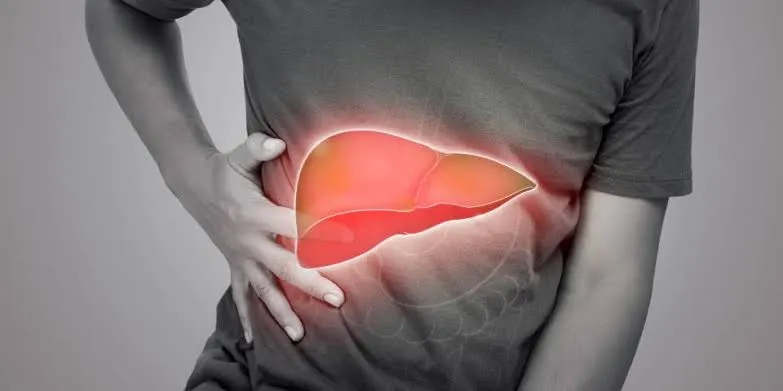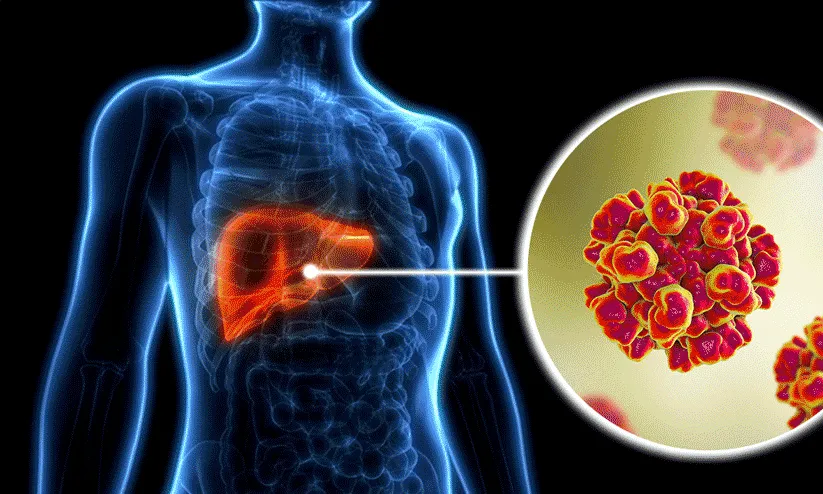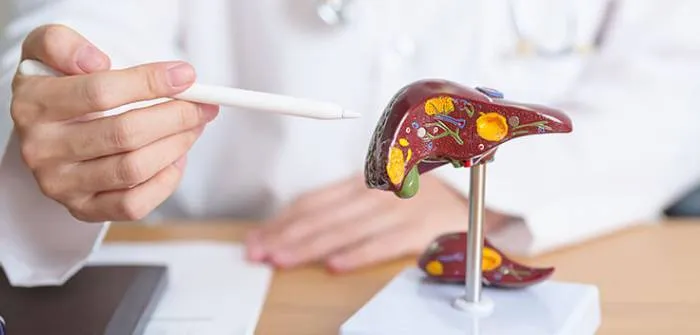

The liver is one of the body's most important organs, responsible for carrying out several essential functions. It supports digestion by producing bile, stores vital nutrients and helps filter unwanted substances from the bloodstream. Despite its natural ability to repair damaged tissue, the liver can be affected by serious conditions, including cancer.
Liver cancer is particularly challenging because it may develop without producing obvious warning signs in its initial stages. In many cases, symptoms become noticeable only as the disease advances. Knowing the possible causes, identifying early warning signs and understanding available diagnostic methods can help people seek medical attention at the right time.
Different Types of Liver Cancer
Liver cancer is broadly divided into two categories based on where the cancer originates:
1. Primary Liver Cancer
Primary liver cancer develops when abnormal cells begin growing within the liver itself. Hepatocellular Carcinoma (HCC) is the most frequently diagnosed type. It originates in hepatocytes, the main cells responsible for performing the liver's essential functions.
2. Secondary Liver Cancer
Secondary liver cancer occurs when malignant cells from another part of the body travel to the liver and form new tumours. Cancers originating in organs such as the lungs, colon, stomach and breasts can spread to the liver. This condition is commonly referred to as metastatic liver cancer.
Common Causes and Risk Factors of Liver Cancer
Certain medical conditions, lifestyle habits and environmental exposures can contribute to an increased likelihood of developing liver cancer.
Chronic Hepatitis B and C: Persistent infection with Hepatitis B or C can cause ongoing inflammation and damage to liver cells. Over many years, this damage may develop into serious liver disease and increase the possibility of cancer.
Liver Cirrhosis: Cirrhosis occurs when prolonged liver damage causes healthy tissue to be replaced by permanent scar tissue. As the liver gradually loses its normal structure and function, the risk of developing liver cancer increases.
Long-Term Alcohol Consumption: Regularly consuming excessive amounts of alcohol can gradually damage liver cells. Continued damage may result in cirrhosis, which is an established risk factor for liver cancer.
Obesity, Diabetes and Fatty Liver Disease: Excess body weight, poorly controlled diabetes and metabolic disorders can contribute to fat accumulation in the liver. Metabolic Dysfunction-Associated Steatotic Liver Disease (MASLD) may progress to more serious liver conditions, increasing cancer risk, particularly when advanced fibrosis or cirrhosis develops.
Exposure to Aflatoxins: Aflatoxins are toxic compounds produced by certain moulds that may contaminate food items such as peanuts, grains and nuts when stored under unsuitable conditions. Prolonged exposure to these substances can damage liver cells and increase the risk of cancer.
Warning Signs and Symptoms of Liver Cancer
During its initial stages, liver cancer may not produce noticeable physical changes. As the condition develops, however, certain symptoms may become apparent.
Unintended Weight Loss: Losing a considerable amount of weight without making changes to your diet or physical activity may be a warning sign. Reduced appetite can also occur.
Discomfort in the Upper Abdomen: Persistent pain, tenderness or a feeling of pressure on the upper right side of the abdomen may indicate an underlying liver problem.
Jaundice: Yellow discolouration of the skin and the whites of the eyes can develop when bilirubin builds up in the body. Dark-coloured urine may also accompany this condition.
Abdominal Enlargement: Fluid accumulation within the abdominal cavity, medically known as ascites, can cause unusual stomach swelling and discomfort.
Ongoing Weakness and Fatigue: Persistent exhaustion, reduced energy levels, nausea and occasional vomiting may occur as the disease progresses.
These symptoms can also be associated with several other health conditions. Anyone experiencing persistent or unexplained symptoms should seek medical evaluation rather than attempting to identify the cause independently.
Diagnostic Tests for Liver Cancer
When a doctor suspects liver cancer, a combination of clinical assessment, imaging investigations and laboratory tests may be recommended.
Ultrasound Examination: An ultrasound uses sound waves to examine the liver and identify suspicious areas, abnormal growths or changes in its structure.
CT Scan and MRI: Advanced imaging techniques help specialists assess the tumour's dimensions, exact location and characteristics. They can also help determine whether the disease has extended beyond the liver.
Blood Investigations: Doctors may measure Alpha-Fetoprotein (AFP), a protein that can be elevated in certain individuals with liver cancer. However, AFP results are not sufficient to establish or exclude a diagnosis on their own.
Liver Biopsy: When imaging findings are inconclusive or additional confirmation is required, a small tissue sample may be collected and examined under a microscope to identify abnormal cells.
Available Treatment Options for Liver Cancer
The choice of treatment depends on the extent of the disease, the remaining liver function, the presence of underlying liver conditions and the patient's general health. Specialists evaluate these factors before developing an appropriate treatment plan.
Surgical Removal: For suitable patients whose cancer is confined to a specific area, surgery may be performed to remove the affected portion of the liver. This procedure is known as liver resection.
Liver Transplantation: Selected patients with early-stage liver cancer, particularly those with underlying cirrhosis, may be considered for liver transplantation. Replacing the affected liver can provide an opportunity for long-term disease control.
Locoregional Treatment: Certain procedures directly target the tumour within the liver. Ablation techniques use heat or other energy sources to destroy cancerous tissue. Transarterial Chemoembolisation (TACE) involves delivering chemotherapy into the blood vessels supplying the tumour while restricting its blood supply.
Targeted Medicines and Immunotherapy: For patients with advanced disease who are not suitable for surgery or local procedures, systemic treatments may be considered. Targeted drugs act on specific mechanisms involved in cancer growth, while immunotherapy helps the immune system recognise and attack cancer cells.
Preventive Measures to Reduce Liver Cancer Risk
Although it is not possible to prevent every case of liver cancer, adopting healthier habits and addressing known risk factors can help protect liver health.
Take the Hepatitis B Vaccine: Vaccination against Hepatitis B offers protection from infection and helps reduce the possibility of chronic liver inflammation and related complications.
Limit Alcohol Exposure: Avoiding alcohol is an important step towards reducing alcohol-related liver damage and preventing conditions such as cirrhosis.
Maintain a Healthy Weight: Regular exercise, nutritious food choices and proper management of diabetes can help reduce the risk of metabolic disorders and fatty liver disease.
Attend Recommended Medical Screenings: Individuals with chronic Hepatitis B, cirrhosis or other high-risk liver conditions may require periodic monitoring. Depending on their individual risk, doctors may recommend liver ultrasound examinations, sometimes combined with AFP testing, at six-month intervals.
Choose Safe and Nutritious Food: Include a balanced variety of fruits, vegetables, whole grains and other nutritious foods in your daily diet. Store grains, nuts and other food products properly to minimise exposure to harmful mould-related toxins.
Take Care of Your Liver with Timely Medical Attention
Liver cancer can remain undetected for a considerable period because its early symptoms are often absent or difficult to recognise. Understanding the associated risk factors, maintaining healthy lifestyle habits and following appropriate medical screening recommendations are important steps towards protecting liver health.
Do not overlook persistent abdominal discomfort, unexplained weight loss, jaundice or other unusual changes in your health. If you have an existing liver condition or concerns about your symptoms, consult a Gastroenterologist or Oncologist for a detailed assessment.