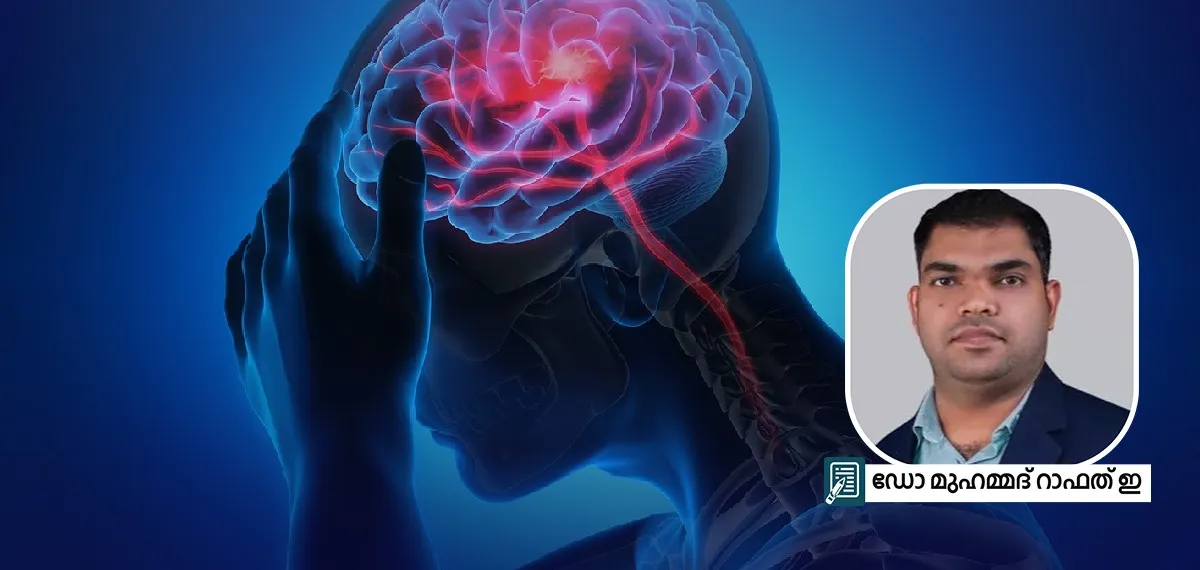

Sudden weakness in the hands or legs, blurred vision, difficulty speaking, or loss of balance can be warning signs of a mini-stroke. Sometimes, these symptoms disappear within a few minutes, making people think that everything is back to normal. However, ignoring these signs can be dangerous.
A mini-stroke, medically known as a Transient Ischemic Attack (TIA), is an important warning that a person may be at risk of having a major stroke. Recognising the symptoms early and getting medical help immediately can help prevent serious complications.
What Is a Mini-Stroke (TIA)?
A mini-stroke happens when the blood supply to a part of the brain is temporarily reduced or blocked. This may happen due to a small blood clot or narrowing of the blood vessels that carry blood to the brain.
As a result, a person may suddenly experience weakness, difficulty speaking, vision problems, or dizziness. These symptoms usually last for a few minutes and may disappear completely.
Even if the person feels normal again, a mini-stroke should never be ignored. It is a medical emergency and requires immediate attention.
What Is the Difference Between a Mini-Stroke and a Major Stroke?
Both a mini-stroke and a major stroke happen when the brain does not receive enough blood.
The main difference is that a mini-stroke causes temporary symptoms without permanent brain damage. In a major stroke, a blood vessel becomes blocked or bursts, causing damage to brain cells. This can lead to long-term problems such as paralysis, speech difficulties, and memory problems.
A mini-stroke is often an early warning sign of a possible major stroke. Getting medical help at the right time can reduce this risk.
Common Warning Signs of a Mini-Stroke
The symptoms usually appear suddenly. Remember the simple FAST method to identify the warning signs.
F – Face: One side of the face may droop. The person may find it difficult to smile normally.
A – Arms: One arm may suddenly become weak or may drop down when both arms are raised.
S – Speech: Speech may become unclear or slurred. The person may have difficulty speaking or understanding others.
T – Time: Do not wait for the symptoms to disappear. Seek emergency medical help immediately.
Other Symptoms to Watch Out For
A mini-stroke may also cause:
- Sudden blurred vision or temporary loss of vision in one or both eyes.
- Sudden dizziness or difficulty maintaining balance.
- Numbness or tingling on one side of the body.
- Difficulty walking or coordinating body movements.
- Sudden confusion or difficulty understanding conversations.
These symptoms may disappear quickly, but that does not mean the danger is over.
Why Should You Never Ignore a Mini-Stroke?
A mini-stroke is a serious warning that a major stroke may happen in the future. The risk of a major stroke is particularly high during the first 48 hours after a TIA.
Even if all symptoms disappear, it is important to visit a hospital immediately. Doctors can identify the cause, check for possible risks, and provide treatment to help prevent a major stroke.
Never wait for the symptoms to return before seeking medical attention.
What Increases the Risk of a Mini-Stroke?
Certain health conditions and lifestyle habits can increase the chances of having a mini-stroke.
1. High Blood Pressure
Uncontrolled blood pressure can damage blood vessels and increase the risk of stroke.
2. High Cholesterol
Too much cholesterol can build up inside blood vessels, making them narrow and reducing blood flow to the brain.
3. Diabetes
High blood sugar levels can damage blood vessels and increase the risk of stroke.
4. Heart Problems
Certain heart conditions, especially an irregular heartbeat called atrial fibrillation, can cause blood clots that may travel to the brain.
5. Unhealthy Lifestyle Habits
Smoking, excessive alcohol consumption, lack of physical activity, unhealthy food habits, and obesity can increase the risk.
6. Age and Family History
The risk of stroke increases with age. People with a family history of stroke may also have a higher risk.
How Can You Reduce the Risk of a Stroke?
Making a few healthy lifestyle changes can help protect your brain and heart.
1. Keep Blood Pressure and Diabetes Under Control
Check your blood pressure and blood sugar regularly. Take prescribed medicines as advised by your doctor.
2. Eat Healthy Foods
Include fruits, vegetables, whole grains, and nutritious foods in your daily diet. Reduce salt, sugar, oily foods, and unhealthy fats.
3. Stay Physically Active
Regular activities such as walking, swimming, and other suitable exercises can help improve your overall health.
4. Avoid Smoking and Alcohol
Stop smoking and avoid tobacco products. Avoid alcohol to reduce health risks.
5. Maintain a Healthy Weight
Maintain a healthy body weight through regular exercise and a balanced diet.