Dr. Smrithi D Nayak (Consultant - Obstetrics & Gynaecology) talks about the Role of Laparoscopy in Infertility. She shares insights on the procedure, complications, and more.
Infertility is a growing concern among couples worldwide, and advancements in medical science have made diagnosis and treatment more effective than ever before. One such breakthrough is laparoscopy, a minimally invasive surgical procedure that plays a crucial role in identifying and treating infertility-related issues. According to leading experts from a reputed Gynaecology Hospital in JP Nagar Bangalore, laparoscopy has significantly improved the chances of conception for many women by offering both diagnostic and therapeutic benefits.
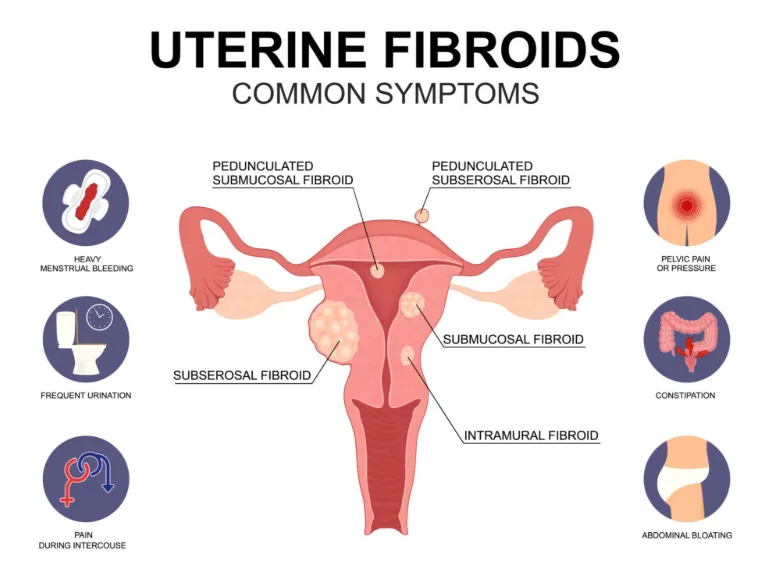
Laparoscopy involves the use of a thin, lighted instrument called a laparoscope, which is inserted through small incisions in the abdomen. This allows doctors to closely examine the reproductive organs, including the uterus, fallopian tubes, and ovaries. It is especially helpful in detecting conditions such as endometriosis, fibroids, pelvic adhesions, and blocked fallopian tubes—common causes of infertility that may not be easily identified through other diagnostic methods.
One of the major advantages of laparoscopy is its minimally invasive nature. Unlike traditional open surgeries, it requires smaller incisions, resulting in reduced pain, minimal scarring, and faster recovery. Patients can often return to their normal routine within a few days, making it a preferred option for both doctors and patients. Additionally, laparoscopy not only helps in diagnosing the problem but also allows immediate treatment during the same procedure.
Experienced Gynaecologists in JP Nagar Bangalore emphasize that laparoscopy is often recommended when other non-invasive tests fail to determine the cause of infertility. It provides a clear and detailed view of internal structures, enabling precise diagnosis and targeted treatment. This significantly increases the success rate of fertility treatments and helps in developing a personalized care plan for each patient.
While laparoscopy is generally safe, like any surgical procedure, it carries some risks. These may include infection, bleeding, or complications related to anesthesia. However, with proper medical care and skilled professionals, these risks are minimal. Patients are usually advised to follow pre- and post-operative guidelines carefully to ensure a smooth recovery.
In conclusion, laparoscopy has emerged as a powerful tool in the field of reproductive medicine. It not only helps in diagnosing hidden causes of infertility but also provides effective treatment options with minimal discomfort. Consulting a qualified specialist at the right time can make a significant difference in achieving successful outcomes and fulfilling the dream of parenthood.