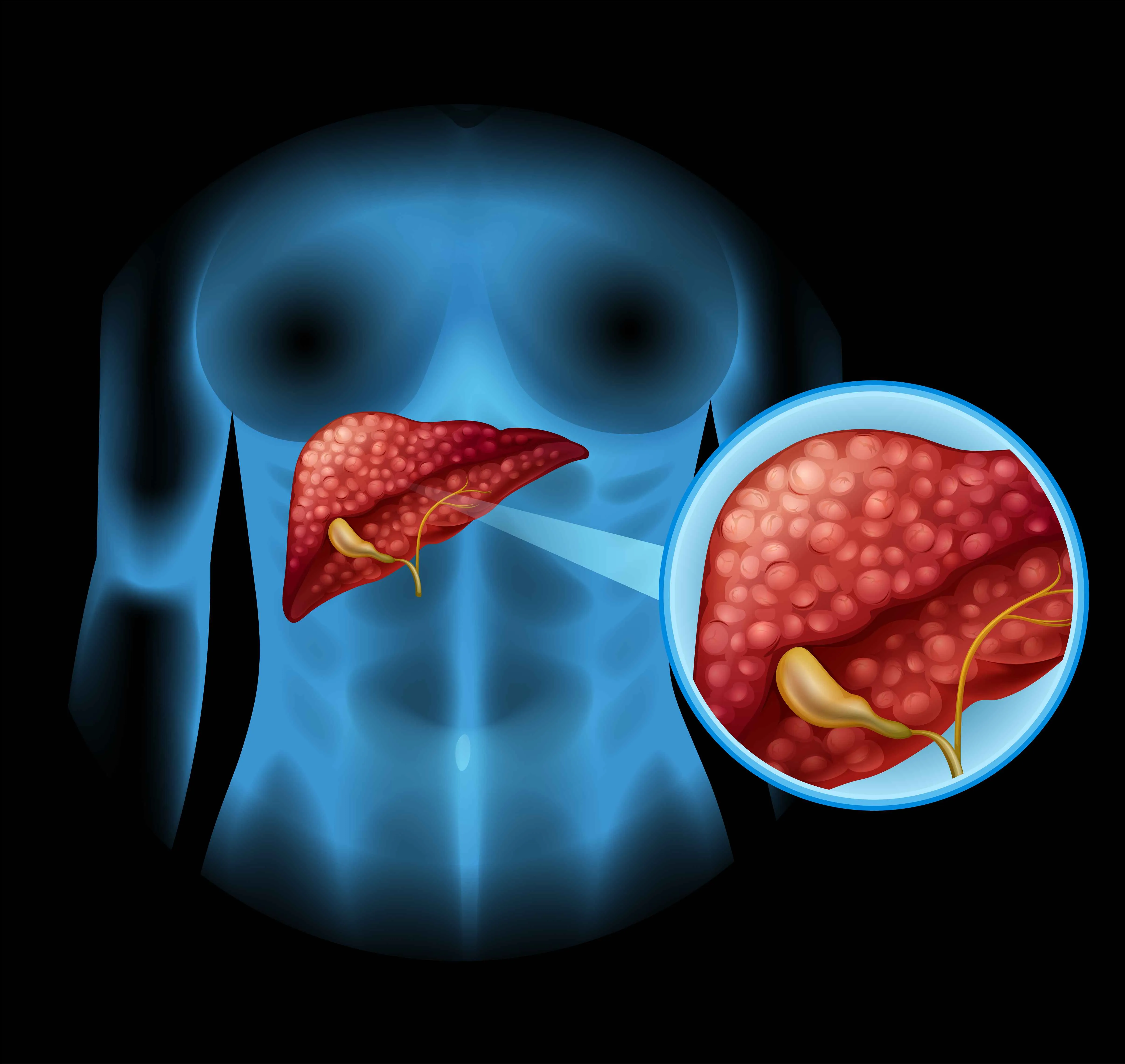

Appendicitis is an acute medical condition indicated by inflammation of the appendix, a small pouch attached to the large intestine. Although often overlooked, this organ can trigger serious complications if infected. Without timely intervention, the condition may progress rapidly, leading to a ripped-apart appendix, a life-threatening emergency. Recognizing early warning signs is therefore precarious for timely diagnosis and treatment.
Understanding the Early Symptoms
Early recognition of symptom progression is decisive in identifying Appendicitis before complications develop. The pain associated with this condition follows a distinctive pattern, which helps clinicians differentiate it from other abdominal disorders.
• Pain typically begins as a dull, vague discomfort around the navel.
• As inflammation progresses, the pain shifts to the lower-right abdomen.
• The discomfort becomes sharper, more intense, and well-localized over time.
• This migration of pain is a classic clinical sign that helps distinguish appendicitis from other abdominal conditions.
• The pain gradually worsens rather than improving.
• It may intensify with movement, coughing, sneezing, or gentle pressure.
• Unlike routine digestive issues, the pain does not subside with rest, bowel movements, or over-the-counter medications.
Associated Gastrointestinal and Systemic Signs
Alongside abdominal pain, appendicitis often presents with a range of gastrointestinal and systemic symptoms. These accompanying signs reflect the body’s response to inflammation and infection and can provide important diagnostic clues.
• Nausea and vomiting are common early symptoms.
• A sudden loss of appetite often accompanies the condition.
• These digestive symptoms may appear before or alongside abdominal pain.
• Bloating and abdominal fullness can result from inflammation.
• Patients may experience difficulty passing gas, which may indicate intestinal disruption.
• Altered bowel habits, including constipation or diarrhea, may be present.
• Though mild individually, these symptoms become concerning when combined with persistent abdominal pain.
• A low-grade fever is frequently observed in early stages.
• A sudden rise in temperature, especially with a rapid heartbeat, may signal worsening infection or possible rupture, requiring urgent medical care.
Variations in Presentation
Although the classic presentation involves lower-right abdominal pain, variations do exist. In some individuals, especially during pregnancy or due to anatomical differences, pain may be discernible in unusual locations such as the upper abdomen or back. This variability reinforces the importance of not dismissing persistent or unexplained abdominal discomfort.
Children may present otherwise, often showing non-specific signs such as irritability, reduced activity, or difficulty relating the pain. Careful examination in such cases becomes essential.
When to Seek Medical Care
Appendicitis seldom resolves without medical intervention. Delaying evaluation beyond 24–48 hours significantly intensify the risk of complications, including rupture and widespread infection. Diagnosis typically involves clinical examination supported by imaging studies and laboratory tests.
Early treatment, often through surgical removal of the appendix (appendectomy), is highly effective and prevents severe outcomes. In some cases, antibiotics may also be administered to control infection.
Health Snapshot
Appendicitis is a time-sensitive condition where early recognition can be lifesaving. Tenacious abdominal pain, especially when combined with nausea, fever, or digestive changes, should never be ignored. Seeking immediate medical care can ward off complications and ensure a swift recovery.