
Managing your life when you have chronic kidney disease or CKD feels like you have been handed a second job without any training. It is a long and exhausting marathon. You need tones of patience and the right kind of fuel to keep your body going. For most of us, nutrition is the most powerful tool in the shed when you are trying to protect whatever kidney function you have left. When the kidneys do not work at 100 per cent, your body starts holding onto waste. That creates a toxic mess that can mess with your heart rate and even make your bones weak.
You have probably heard the saying 'You are what you eat' a thousand times before. But for someone with kidney issues, that is not just a silly phrase. It is a medical rule. This guide is all about the reality of eating for your kidneys in India. It gives you a clear map of what to put on your plate and what to stay far away from.
All kidney patients need to follow a diet that has been customized according to their lab reports. A renal nutritionist would also be helpful in customizing their diet. There is no single 'kidney diet' because every patient’s body processes nutrients differently
Why the Indian Context Matters for Kidney Health
It is a tough reality, but people often call India the diabetes capital of the world. Since diabetes is the top reason for kidney failure, it is huge to understand how our traditional Indian food affects our health. Our meals are famous for bold spices and grains, but they can be hidden traps full of sodium and potassium.
When you talk to the best nephrologists in India, you will see that their advice is never the same for everyone. It depends entirely on your stage. People in the early stages are just trying to slow down the clock. But those in Stage 4 or 5 who are close to dialysis have to follow a much tighter path.
Mastering the Big Three: Sodium, Potassium and Phosphorus
To keep a healthy kidney diet from falling apart, you have to become a food detective. You need to squint at labels and rethink how you spice your food to limit the three minerals that give kidneys the most trouble.
1. Sodium: The Silent Saboteur
Sodium is the main reason for high blood pressure and holding onto water. For CKD patients, too much salt leads to oedema. That is that uncomfortable swelling in your ankles or your lungs.
Instead of salt, try using lemon juice or tamarind, which we call 'imli'. You can also use kokum, garlic or fresh green chillies to add some punch. You really want to avoid the Salty Six of India. kitchens, like pickles, achar and papads. Also, stay away from salty chutneys and namkeens or processed cheese and salted butter. The DASH (Dietary Approaches to Stop Hypertension) diet is a flexible and balanced eating plan designed to help treat or prevent high blood pressure. Because it focuses on reducing sodium and increasing heart-healthy minerals, it is often discussed in the context of cardiovascular and renal health.
2. Potassium: The Heart Monitor
Potassium helps your muscles work, but if your kidneys cannot flush it out, the levels can spike. This is called hyperkalemia, and it is scary because it can cause sudden heart problems.
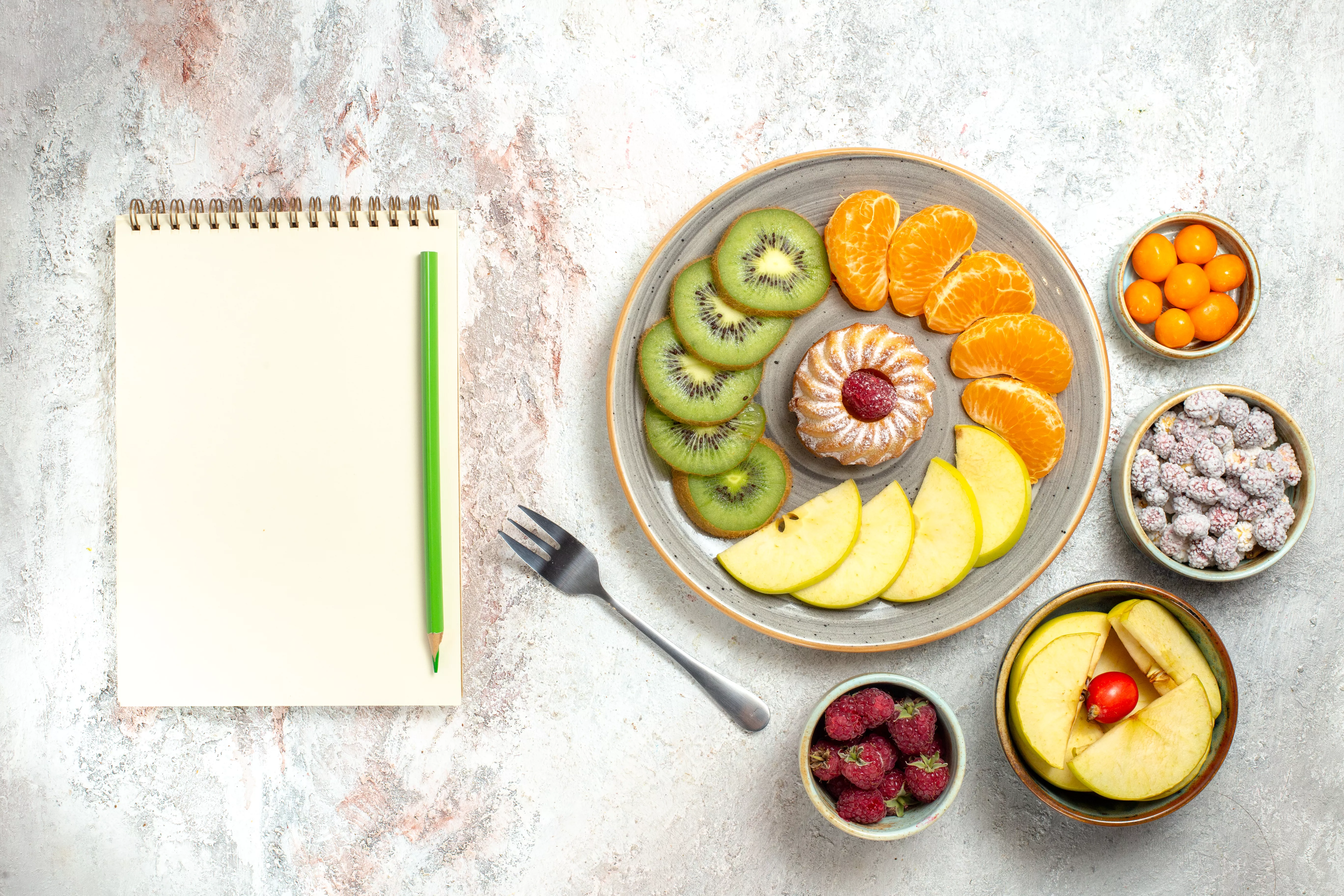
Try to stick with fruits like apples and pears or papaya and guava. For your veggies, things like bottle gourd or lauki and ridge gourd or tori are usually safe. Be very careful with high-potassium foods like bananas and mangoes or spinach and tomatoes. If you love potatoes, you have to leach them by soaking slices in warm water for two hours before you cook them.
3. Phosphorus, the Bone Thief
When phosphorus levels get too high, your body starts stealing calcium from your bones. This leaves you with brittle bones, which doctors call renal osteodystrophy.
Focus on sourdough bread, white rice, and tiny bits of homemade curd. Stay far away from dark colas and packaged nuts or organ meats and dairy that is heavily processed.
Protein A Balancing Act
Protein is the most confusing part of this whole diet. The rules actually change depending on where you are in the journey.
In the pre-dialysis stage, most doctors want you on a low-protein diet. This reduces the amount of urea your kidneys have to filter and gives them a rest. But once a patient starts dialysis, the rules flip. Dialysis pulls protein out of your blood, so you actually need to eat more high-quality protein like egg whites or lean chicken to keep your muscles strong.
Many specialists now suggest a plant-dominant or PLADO diet for the early stages. This focuses on moong dal and soy because they produce less acid than meat. Just make sure you still watch the potassium. Protein requirements are highly individualized, as nutritional needs shift based on the specific stage and type of renal disease
Practical Hacks for the Indian Kitchen
You do not have to stop enjoying Indian food. Here are some ways to change things up.
For veggies like cauliflower or potatoes, peel and dice them, then soak them in warm water for 3 hours. Toss the water out before cooking to cut the potassium by half. While brown rice is usually the healthy choice, it is way too high in phosphorus. For CKD patients, white basmati rice is actually the safer bet.
Also, store-bought masalas often have hidden salt. Grinding your own garam masala at home means you know exactly what is inside. If you have to limit your fluids, try sucking on an ice cube or a slice of lemon to stop being thirsty without drinking too much.
Navigating Modern Kidney Care in India
India has become a global leader in kidney care. You can find high-tech surgical equipment and world-class transplant units at an Aster hospital. The medical setup here is truly elite. But even the best surgeon will tell you that the surgery is only half the battle. The rest is won in your kitchen.
When you go to a specialized place, you are working with a whole team. You get a nephrologist for your meds and a renal dietitian for your food list, plus a transplant surgeon if things get to Stage 5.
Seeking Expert Guidance
If you are looking for the best nephrologists in India, you have access to some of the smartest minds around. These experts will tell you that your diet has to change as your lab results change. Keeping a close eye on your creatinine and GFR levels is the only way to know if your healthy kidney diet is working.
Living with kidney disease is a huge lifestyle shift, but it does not mean your life has to be boring. By focusing on what you can have rather than what you lost, you turn every meal into a way to heal. Always talk to a professional at an Aster Hospital before you make big changes.