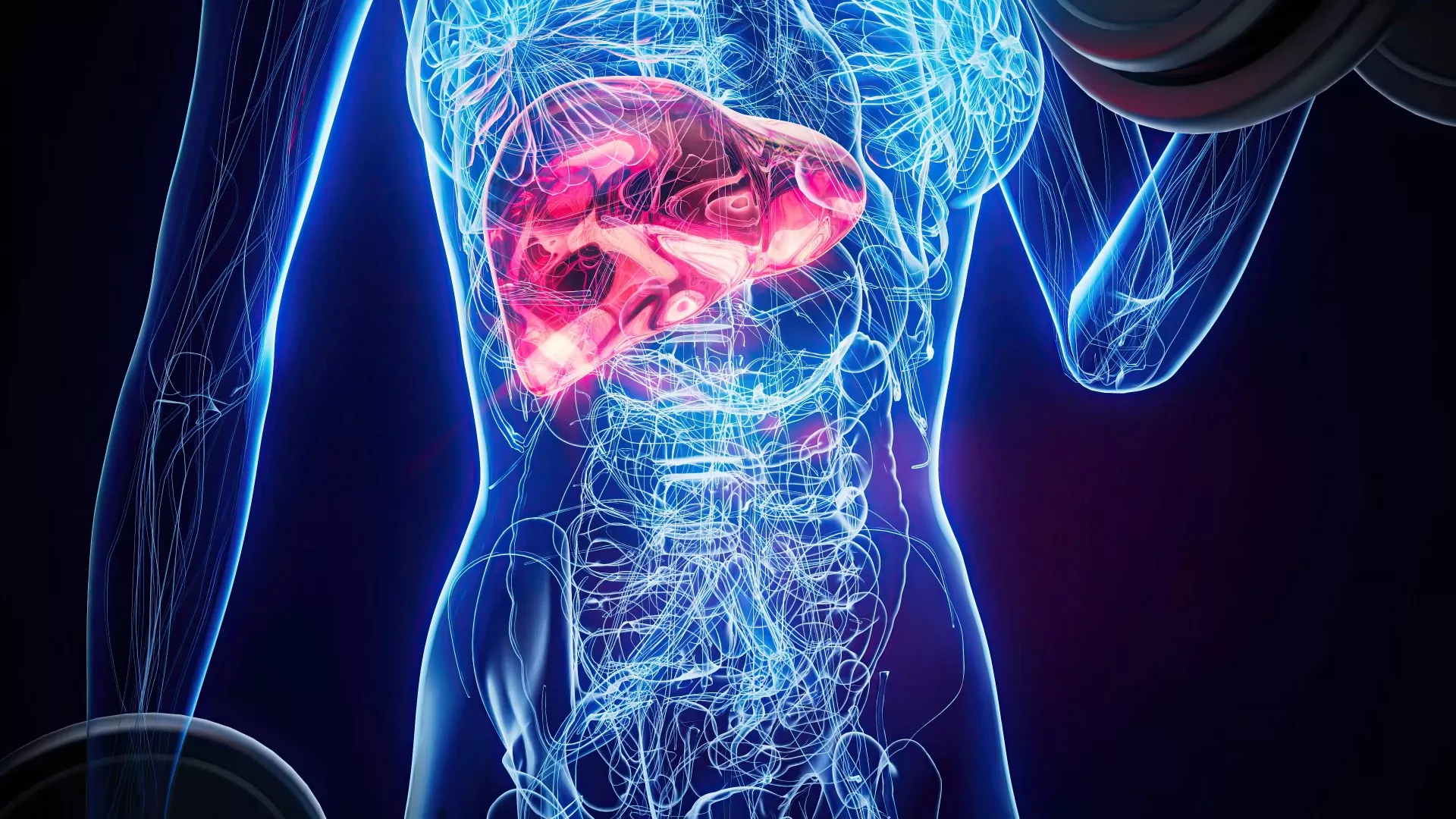

Our liver quietly performs multiple tasks every day. For instance, it filters toxins from our blood. It helps digest food. It stores energy and even supports immunity. Yet, many people think about their liver only when a problem appears.
It is common to wonder if your lifestyle is affecting your liver. Perhaps you are worried about fatty liver, alcohol use, hepatitis, or abnormal test results. And to be honest, all of these concerns are completely valid. The good news is that in many cases, you can protect and even restore your liver health through simple, consistent habits.
In this guide, we will explain how to improve liver health using practical, evidence-based advice. We will also help you understand when to seek the assistance of experts at a hepatology hospital in India.
Why does the liver deserve your attention?
Liver disease often develops silently. In fact, patients don’t even feel any symptoms in the early stages. Conditions including fatty liver diseases, viral hepatitis and early cirrhosis progress quietly in the early years.
Here are some common risk factors:
- Overweight and obesity
- Diabetes
- High cholesterol
- Alcohol consumption
- Viral infections such as hepatitis B and C
- Certain medications
Liver conditions are reversible if detected early. This is why you must know how to improve liver health naturally to protect your long-term wellbeing.
Daily habits that support liver health
You don’t have to make significant changes. Small daily changes are enough to make a meaningful difference. If you are searching for natural remedies for liver health, here are some foundational habits.
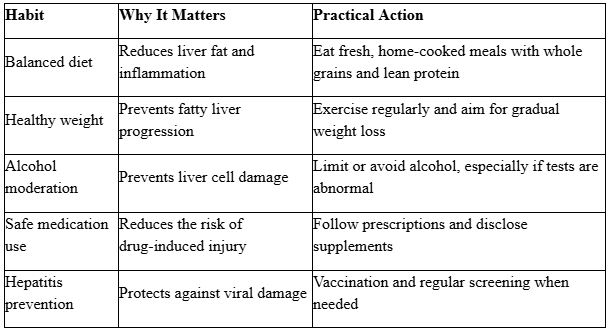
1- Eat a balanced, liver-friendly diet
Your liver processes every food you eat. So, ensure your food choices are right.
Focus on:
- Fresh vegetables and fruits
- Whole grains such as brown rice and millets
- Lean proteins like pulses, fish, and skinless poultry
- Healthy fats from nuts and seeds
Limit the intake of:
- Fried and processed foods
- Sugary drinks and refined carbohydrates
- Excess red meat
- Packaged snacks high in salt and trans fats
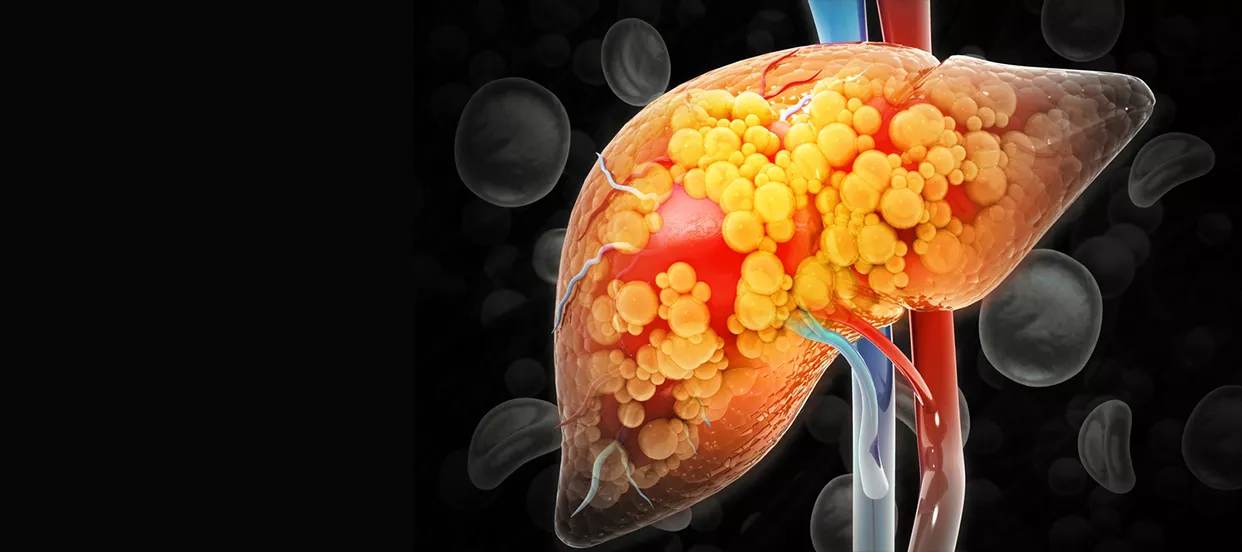
Non-alcoholic fatty liver disease is strongly linked to excess calories and insulin resistance. Losing 5 to 10 percent of weight can lower liver fat significantly. This is one of the most effective answers to how to improve liver health in patients with fatty liver.
2- Maintain a healthy weight
Having excess abdominal fat means increased liver fat. Even people who stay away from alcohol might develop liver disease because of metabolic reasons.
Aim for:
- At least 150 minutes of moderate exercise each week
- Strength training two times per week
- Gradual, sustainable weight loss
Make a note that rapid crash diets are never safe. It only worsens liver stress. Instead, ask your doctor to provide a guided plan.
3- Limit alcohol intake
Alcohol has a direct impact on liver cells. Over time, it can cause fibrosis, cirrhosis and inflammation.
If you drink alcohol, be sure to:
- Keep within medically recommended limits
- Avoid binge drinking
- Consider complete avoidance if you have fatty liver, hepatitis, or abnormal liver tests
It is common for many patients to ask how to improve liver health naturally while continuing regular alcohol use. Well, there are no supplements that can reverse ongoing alcohol-related damage. You must either reduce your alcohol intake or stop it completely for an effective outcome.
4- Use medications carefully
There are many types of painkillers, herbal supplements and OTC medications that have harmful effects on the liver when misused.
It is best to always:
- Follow prescribed doses
- Avoid combining alcohol with medications
- Inform your doctor about all supplements you take
It is essential to understand that not all traditional remedies are safe for everyone. It is best to discuss with a qualified specialist before trying any natural remedies for liver health.
5- Protect against hepatitis
Hepatitis B and C are the major causes of liver disease in India and globally. So, protect yourself by:
- Getting vaccinated for hepatitis B
- Practising safe medical and personal hygiene
- Undergoing screening if you are at risk
Early diagnosis allows timely treatment. There are modern antiviral therapies available that can effectively control or cure many forms of viral hepatitis when managed by experienced hepatologists in India.
Early symptoms of liver problems
Are you wondering if there is something wrong with your liver?
Well, in early stages, the symptoms can be mild or even absent. That is why you must stay vigilant for the following –
- Persistent fatigue
- Loss of appetite
- Nausea
- Mild abdominal discomfort on the right side
- Unexplained weight loss
As the disease progresses, symptoms might include –
- Yellowing of eyes or skin, called jaundice
- Swelling in the abdomen or legs
- Dark urine
- Easy bruising
- Confusion in advanced stages
It is imperative that you do not ignore these signs. Early consultation at a specialized hepatology hospital in India enables accurate diagnosis.
Can natural remedies alone cure liver disease?
Now that the internet is easily accessible, the first thing people do on experiencing discomfort is search for natural remedies for liver health online. Keep in mind that the internet will suggest a healthy diet, exercise and weight control. And all of these are powerful tools. However, they are not substitutes for medical treatment in moderate or advanced cases.
The safest approach merges lifestyle changes with professional medical supervision.
Wrapping up
Liver conditions can feel overwhelming. You might feel anxious about long-term complications. You may feel stressed reading your blood report. And we understand that these feelings are scary.
But thankfully, liver diseases are manageable. In fact, some concerns can be reversed when addressed at the right time. That’s why timely diagnosis from skilled hepatologists in India, lifestyle correction and appropriate therapy for liver diseases are all crucial.
Understanding how to improve liver health naturally empowers you. It helps you make informed choices for better liver health.
FAQs
1- Can fatty liver be reversed?
Yes. In many cases, patients are able to improve early stages of fatty liver via weight loss, eating healthy and exercising. Good control of diabetes can have a positive impact, too. But when it comes to advanced fibrosis, specialist monitoring is mandatory.
2- How often should I check my liver function tests?
You may only need routine annual health checkups if you have no risk factors. But again, if you have diabetes, drink alcohol often or have viral hepatitis, more frequent testing might be suggested.
3- Are herbal supplements safe for the liver?
They are not always. You see, there are certain herbal products that can lead to liver injury. It is best to seek a qualified expert’s guidance before starting any supplements marketed for liver cleansing or detox.
4- When is a liver transplant needed?
A liver transplant is often the last choice in advanced liver failure. It is even suggested for certain liver cancers. Comprehensive evaluation at a hepatology hospital in India is key to determining the need for transplantation.