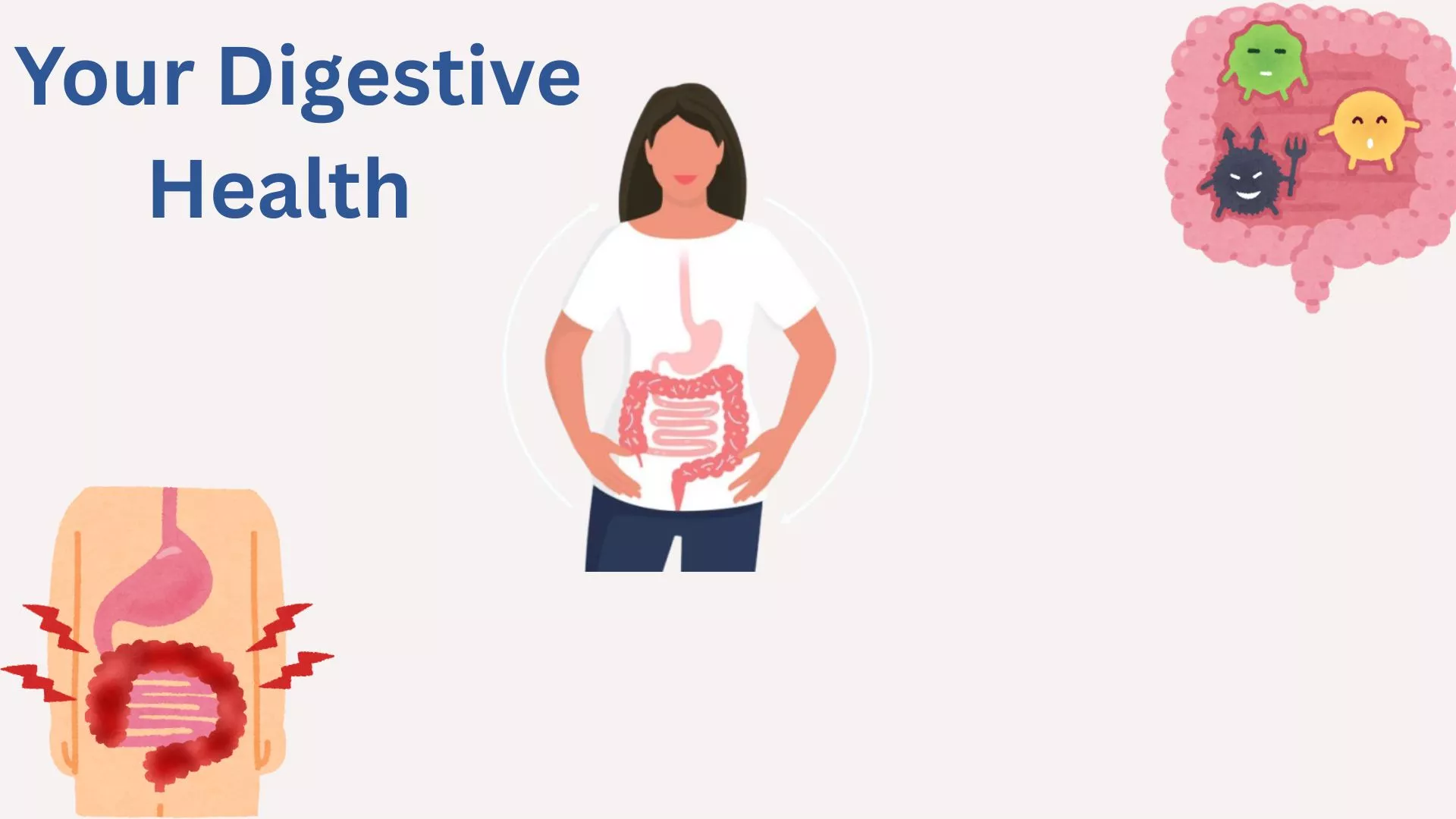

The most important factor that influences your overall health is your gut, or more specifically, the microbes or gut flora that live within your gut. These microbes include fungi, bacteria, and tiny organisms that reside on the skin and internal surfaces of the body, but most take up residence in your digestive tract.
In fact, 70% of your entire immune system is located within your gut!
That means your gut isn’t just digesting food. It actively trains your immune system, regulates your metabolism, and even affects your neurological function and behavior. If these microbes are out of balance, it can lead to some serious problems and increase your risk of developing chronic diseases, such as diabetes, inflammatory bowel disease, and autoimmune disease, as well as neuropsychiatric illnesses like schizophrenia, ADHD, OCD, and chronic fatigue syndrome.
Your gut is the control center of your well-being.
And when it’s not happy, the whole body knows it.
How does a healthy gut translate into better
health?
1. Your gut controls your immune system
As we know, 70% of your entire immune system is located within your gut.
The food we eat affects the diversity and composition of the bacteria in our gut, and these
bacteria communicate with our immune cells daily.
These gut bugs are healthiest and support a strong immune system when we consume
foods high in fiber.
Research from Stanford and Harvard shows that diverse gut microbiomes correlate with
stronger immune function. Fiber-rich foods includeAnd about 90% of your body's serotonin, the mood-regulating neurotransmitter, is
produced in your gut, not your brain.vegetables, fruits, whole grains, legumes,
and fermented options. Aim for 25-30 grams of daily fiber from varied sources.
When you nourish your gut, you’re not just improving digestion… You’re strengthening your
entire defense system from within.
2. Your gut shapes your mood and mental health
Scientists say that our gut is our second brain, and they call this little brain the enteric
nervous system (ENS).
Unlike the big brain in your skull, it cannot think for you, but it can still feel the “butterflies” in
your tummy when you’re nervous.
And about 90% of your body's serotonin, the mood-regulating neurotransmitter, is
produced in your gut, not your brain.
For decades, scientists believed that people with anxiety and depression ended up
developing IBS—irritable bowel syndrome or other functional bowel problems such as
constipation, diarrhea, bloating, pain, and stomach upset.
But recent studies show that it may be the other way around. Researchers are finding
evidence that irritation in the gut sends signals to the big brain and trigger mood changes.
3. Your gut regulates inflammation and your weight
The problem is that most of the inflammatory foods that we commonly ingest, like French
fries, burgers, sodas, canned beverages, white bread, etc., constantly trigger an
inflammatory response.
This chronic, low-grade inflammation has been linked with major diseases that we see today
such as cancer, heart disease, diabetes, arthritis, and even Alzheimer’s.
And at the center of this inflammatory cascade is the gut. When the gut lining is irritated,
weakened, or inflamed, it sends danger signals throughout the body, pushing the immune
system into overdrive.
It’s no surprise that anti-inflammatory diets are gaining so much attention these days
People are finally realizing that reducing inflammation doesn’t start with medication; it
starts with what you eat.
A healthy, balanced gut naturally lowers inflammation, while unhealthy food choices not only
worsen inflammation but also contribute to weight gain.
Eating home-cooked food should be the norm, and eating out should be the exception
4. Your gut influences your hormones.
An unhealthy gut contributes to the long-term risk of conditions such as uterine fibroids and
breast cancer, and it can worsen PCOS, thyroid issues, PMS, and even postpartum
hormonal shifts.
Your gut supports your skin health by regulating inflammation, and it boosts your
energy levels by improving nutrient absorption… and the list goes on…
Putting It Together: Your Gut Is Your
Foundation.
Every system in your body depends on the health of your gut.
It’s not just about digestion.
It’s about the quality of your life.
The gut is incredibly adaptive.
This means that even small, consistent changes in your digestive health can significantly
improve your overall well-being and even protect you from serious health issues in the
future.
Gut symptoms such as diarrhea, constipation, abdominal pain, and bloating are normal
occasionally. But when these symptoms become frequent, they are warning signs of
underlying problems or at least problems that will become bigger if left unaddressed.
They’re easy to ignore.
But they shouldn’t be.
So the question is, where do you start?
Take Control of Your Gut Health at Aster CMI
Hospital.
If you’re experiencing persistent gut symptoms or want to proactively improve your digestive
well-being, expert care is just a consultation away.
Book an appointment with the Gastroenterology team and Dieticians at Aster CMI
Hospital and take the first step toward a healthier gut, stronger immunity, and a better
quality of life.