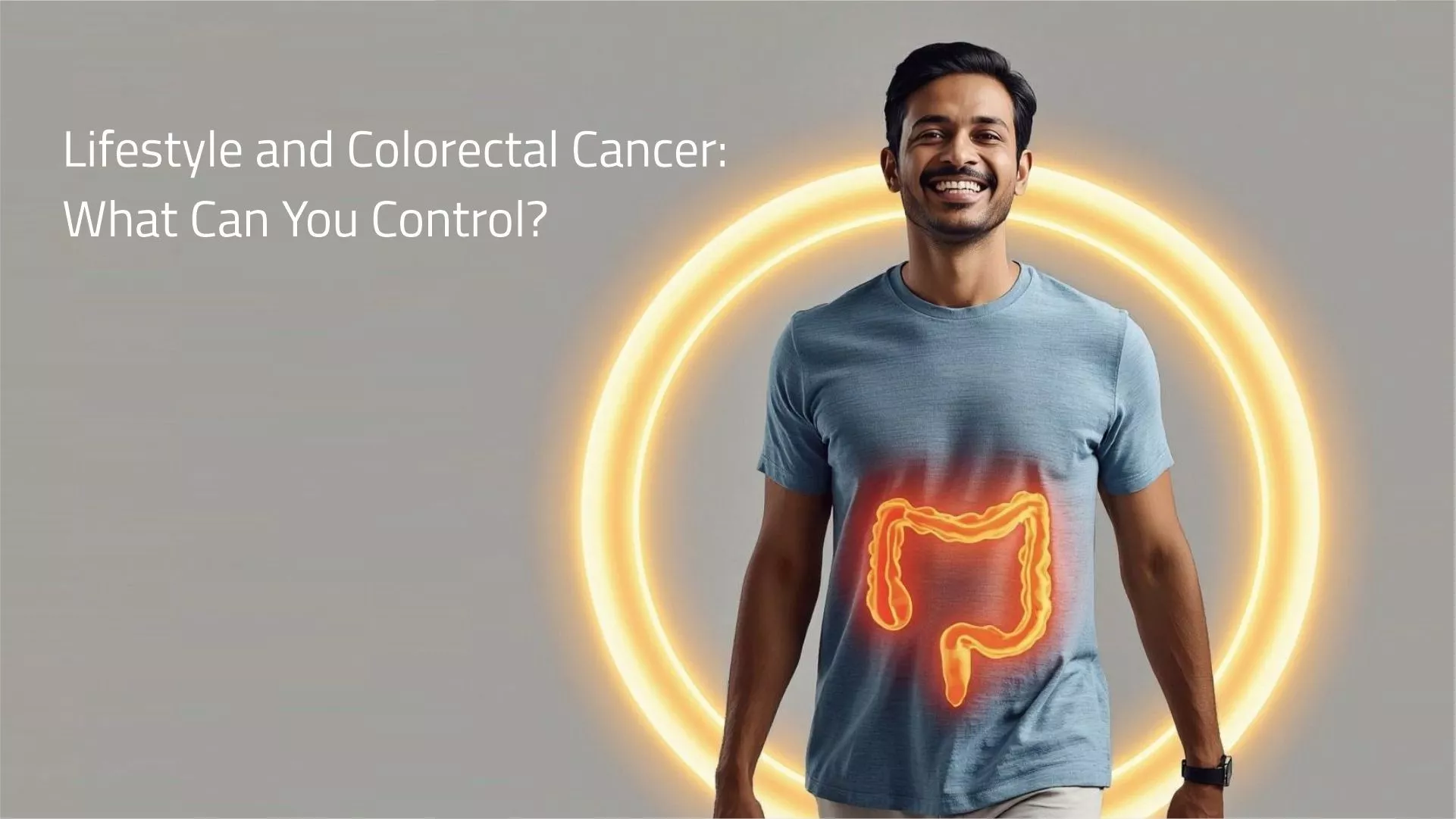
Colorectal cancer - cancer of the colon and rectum is increasingly being diagnosed
across India, including in younger individuals and people living in urban and semi-urban
areas. While genetics and age do play a role, a significant proportion colorectal cancer
are linked to lifestyle factors many of which are within our control.
As a surgical oncologist, one of the most common questions I hear from patients and their
families are: “Doctor, could this have been prevented?”
The honest answer is not always, but often, the risk can be reduced.
Let us understand what you can control.
1. Your Diet:
The Most Powerful Daily Choice
What you eat every day has a long-term impact on your colon health.
What increases risk?
● Frequent consumption of red meat (mutton, beef, pork)
● Processed meats (sausages, salami, bacon)
● Low-fiber diets (refined flour, fast food, packaged snacks)
What helps protect you?
● A diet rich in fiber: vegetables, fruits, whole grains, millets
● Traditional Indian foods like dal, green leafy vegetables, and unpolished rice
● Adequate water intake
Urban challenge: High reliance on fast food and processed meals due to busy schedules
Semi-urban challenge: Increasing shift from traditional diets to packaged foods
Takeaway: Try to return to a more traditional, plant-based diet. Even daily changes
matter.
2. Physical Activity:
Move More, Sit Less
A sedentary lifestyle is a known risk factor for colorectal cancer.
Why does activity matter?
Regular physical activity:
● Improves bowel movement
● Helps maintain a healthy weight
● Reduces inflammation in the body
Simple ways to stay active:
● Brisk walking for 30 minutes a day
● Using stairs instead of lifts
● Household or outdoor activities
Urban reality: Desk jobs, long screen time, minimal movement
Semi-urban reality: Mechanization has reduced physical labor, especially among younger
generations
You don’t need a gym just consistent daily movement.
3. Body Weight:
A Growing Concern
Obesity is directly linked to an increased risk of colorectal cancer.
● Excess body fat alters hormone levels and promotes chronic inflammation
● Abdominal obesity (belly fat) is particularly harmful
In urban and semi-urban populations, weight gain is becoming more common due to
dietary changes and reduced activity.
Aim for a balanced lifestyle rather than crash dieting. Sustainable habits are key.
4. Tobacco and Alcohol:
Avoidable Risks
Tobacco
● Smoking and smokeless tobacco (gutka, pan) increase cancer risk, including
colorectal cancer
Alcohol
● Regular alcohol consumption is associated with higher risk
These habits are prevalent urban and semi-urban settings, often starting at a
young age.
Reducing or quitting tobacco and limiting alcohol can significantly lower your cancer risk
- not just for the colon, but for many organs.
5. Don’t Ignore Your Body:
Early Warning Signs Matter
Even with a healthy lifestyle, awareness is crucial.
Watch out for:
● Blood in stool
● Persistent change in bowel habits (diarrhea or constipation)
● Unexplained weight loss
● Fatigue or anemia
In many semi-urban areas, symptoms are often ignored or attributed to piles or minor
issues
In urban settings, busy lifestyles lead to delayed consultations
Takeaway: Early consultation can save lives. Do not delay seeking medical advice.
6. Screening:
Prevention is Better Than Cure
Colorectal cancer is one of the few cancers that can be prevented through screening.
● Screening tests can detect precancerous polyps before they turn into cancer
● Individuals above 45–50 years, or those with family history, should consider
screening
Awareness and access to screening are still limited in many parts of India
Takeaway: Talk to your doctor about when you should start screening.
Final Thoughts
Not colorectal cancers can be prevented but many can be delayed, detected early, or
even avoided through simple lifestyle choices.
Whether you live in a metro or a semi-urban town, the fundamentals remain the
same:
● Pay attention to your body
● Eat better
● Move more
● Avoid harmful habits
As doctors, we can treat cancer. But together, through awareness and action, we can
reduce its burden.