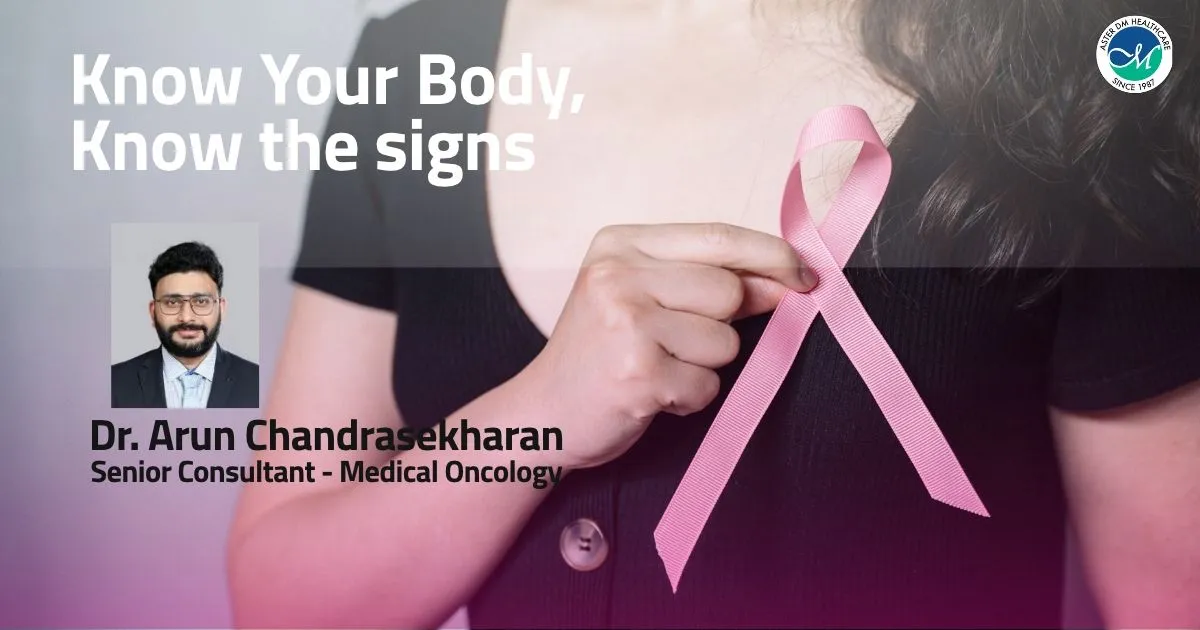

Most of us notice when something feels off in our body, whether it is a headache that will not go away or a pain that appears out of nowhere. Breast health is no different. Women who know what is normal for them are often the first to spot a change, and that early notice can make a real difference. Breast cancer is one of the most common cancers among women, and when it is found early, treatment is usually simpler and the outcomes are much better. The first step is not fear. It is awareness. This article walks you through the signs worth paying attention to, how to stay familiar with your own body, and when it is time to speak to a doctor.
Why Paying Attention Matters
Breast cancer does not always announce itself with pain. In the early stages, many women feel completely fine, which is why small changes are so easy to dismiss. A lump might be put down to tiredness, a skin change to a new soap, or an ache to a busy week. Looking out for breast cancer symptoms is not about expecting the worst. It is about giving yourself the chance to act early. A change that is checked quickly and turns out to be harmless gives you peace of mind. A change that needs treatment, caught at an early stage, gives you far more options and a better chance of recovery.
Signs That Deserve a Second Look
Symptoms can look different from one woman to another. These are the changes doctors commonly ask women to watch for:
• A new lump or thickening: A firm lump in the breast or under the arm is the sign most people know, though not every lump is painful or easy to see.
• Change in size or shape: One breast may look noticeably larger, lower, or different in shape than it did before.
• Skin changes: Dimpling, puckering, redness, or skin that looks like the surface of an orange can be a warning sign.
• Nipple changes: A nipple that turns inward, becomes scaly or sore, or releases fluid that is not breast milk should be checked.
• Persistent pain or swelling: Discomfort or swelling in one area that does not settle over a few weeks needs attention.
• Swollen lymph nodes: A lump or swelling in the armpit or near the collarbone can sometimes appear even before a breast lump is felt.
Having one of these signs does not mean you have cancer. But it does mean the change is worth getting examined, and the sooner the better.
Not Every Lump Is Cancer
This is important to say clearly. Most breast lumps turn out to be benign, which means they are not cancerous. Cysts, fibroadenomas, and hormonal changes linked to your menstrual cycle can all cause lumps or tenderness. The difficulty is that you cannot tell the difference by touch alone. Only a clinical examination and the right tests can say what a lump really is. So instead of waiting and worrying, or ignoring it and hoping it goes away, the sensible step is to have it looked at by a doctor.
How to Get to Know Your Own Normal
Breast self-awareness simply means being familiar with how your breasts usually look and feel, so that you can notice when something changes. It does not need to be complicated or time-consuming.
• Look in the mirror: Stand with your arms by your sides, then raised overhead, and check for changes in shape, skin, or nipples.
• Feel with a gentle touch: Using the pads of your fingers, feel the whole breast, the area up to the collarbone, and under the arm.
• Try lying down too: Many women find it easier to feel small changes in this position.
• Pick a regular time: If you still have periods, a few days after your period ends is usually the most comfortable time. If you no longer have periods, choose the same date each month.
Think of it as a quiet monthly check-in with yourself, not a test you can pass or fail. Over a few months, you will learn what feels normal for you, and that is exactly what makes a change easy to notice.
Who Should Be Extra Alert
Anyone can develop breast cancer, but some factors raise the chances. These include increasing age, a family history of breast or ovarian cancer, earlier breast conditions that needed treatment, and certain lifestyle factors such as lack of physical activity or being overweight after menopause. Having these risk factors does not mean you will get the disease, and many women who develop breast cancer have none of them at all. Men can also develop breast cancer, although it is far less common, so a lump in a man's chest should never be ignored either.
When to See a Doctor
Do not wait for pain. Book a visit if you notice a new lump, a change in how your breast looks, nipple discharge, or a skin change that lasts more than two weeks. A doctor will usually begin with a physical examination and may suggest tests such as a mammogram, an ultrasound, or a biopsy if needed. These steps may sound frightening, but they are routine, and most of them are quick. The sooner you go, the clearer your answers will be, and the more choices you will have.
Your body speaks softly. Learn to listen, and never hesitate to ask a doctor for help.
Featured Blogs





One Aster
Personalized Medical Assistant for all your healthcare needs.
Book instant appointment, pay securely, eConsult with our doctors and save all your health records at one place are some of the benefits of OneAster App. It is everything you need, to manage your family Health.



* Registration available only for valid Indian mobile number