
That dull ache under your right ribs after a heavy meal is easy to ignore. Many people brush it off as indigestion. But it can be a primary sign of gallstones, a common condition that can turn serious if left untreated.
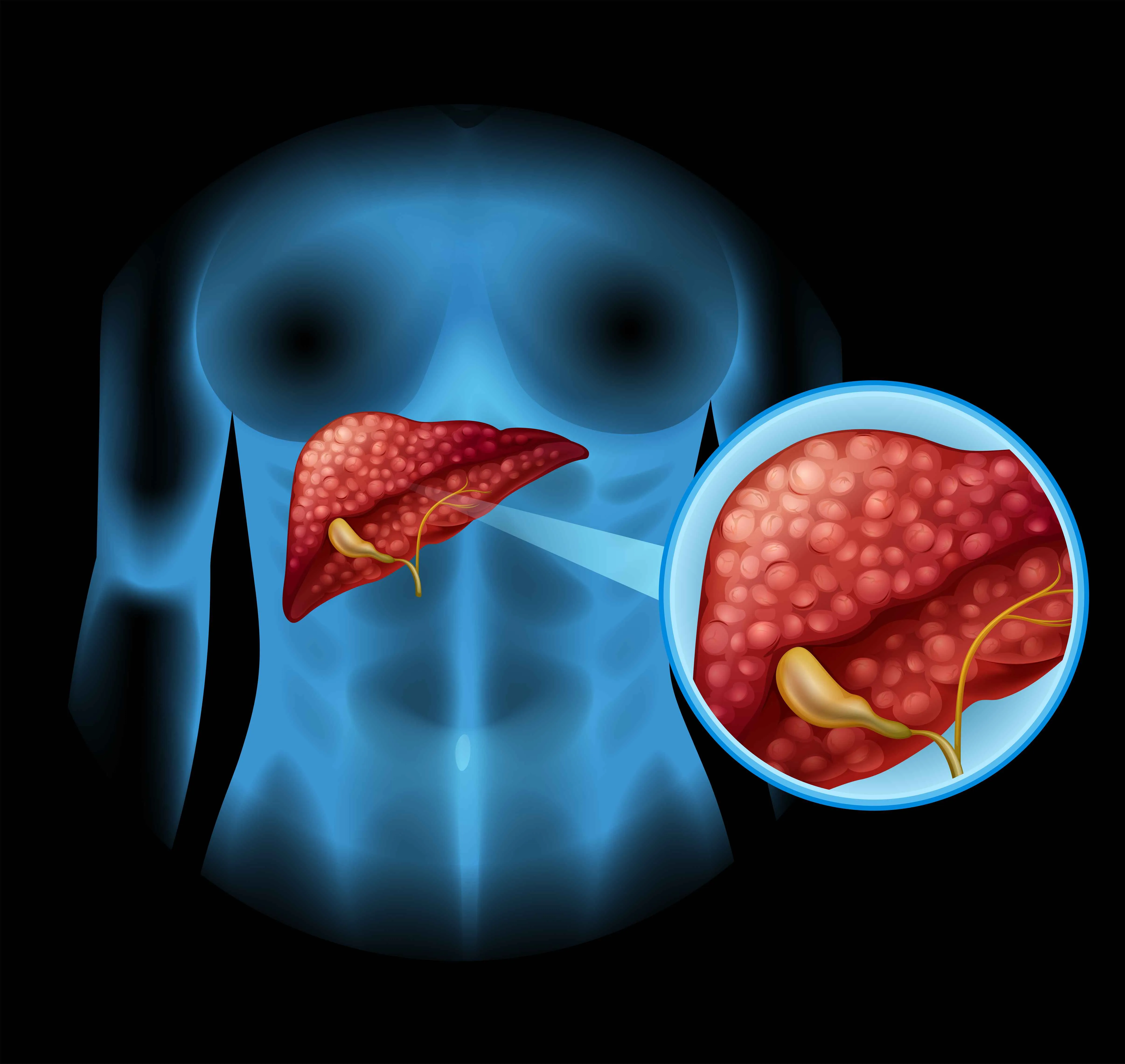
The gallbladder is a small organ underneath the liver that supplies bile, a fluid that helps digest fats. Sometimes, this bile solidifies into stones due to surplus cholesterol, elevated bilirubin, or reduced gallbladder emptying. These are known as gallbladder stones or cholelithiasis.
Not all gallstones cause complications. In fact, many people have “silent gallstones” and never experience symptoms. In such cases, doctors usually advise monitoring rather than urgent treatment. Nevertheless, once warning signs begin, the approach changes.
Common Symptoms of Gallstones
Typical gallstone symptoms include:
- Sudden pain in the upper right abdomen (especially after fatty meals)
- Pain extending to the back or right shoulder
- Nausea, vomiting, and bloating
- Jaundice (yellowing of skin and eyes)
- Fever with chills in severe cases
These symptoms often indicate that a stone is obstructing a bile duct or causing inflammation.
When Is Gallbladder Surgery Needed?
Surgery becomes essential when gallstones begin to produce repeated or significant issues. Here are the key situations where gallstone surgery is recommended, explained in more detail:
Recurrent pain (biliary colic):
If you experience repetitive episodes of severe pain in the upper abdomen, especially after meals, it usually means the stones are spasmodically blocking bile flow. These attacks tend to become more frequent and acute over time, making surgery the most reliable way to prevent future episodes.
Acute cholecystitis:
This occurs when a gallstone blocks the gallbladder outlet, leading to inflammation or infection. Symptoms include sharp pain, fever, nausea, and tenderness in the abdomen. It is a medical crisis in many cases, and early gallbladder removal surgery is often required to avoid complications.
Blocked bile duct (obstructive jaundice):
When a stone moves into the common bile duct, it can block bile flow, causing jaundice, dark urine, and pale stools. If untreated, this can lead to serious infections like cholangitis, making prompt intervention essential.
Gallstone pancreatitis:
If a stone blocks the pancreatic duct, it can trigger acute pancreatitis, a potentially fatal condition. Patients usually need hospital care followed by surgery to prevent recurrence.
Large or multiple stones:
Larger stones or multiple stones increase the chances of blockage, infection, and long-term complications. In such cases, precautionary surgery is often advised even if symptoms are mild.
What You Need to Know
Choosing the right gallstones treatment depends on your symptoms, stone size, and general health. While asymptomatic gallstones can often be managed with watchful waiting and lifestyle changes, symptomatic cases usually demand active treatment. Medications may help in select cases, but they are slow and not a permanent fix. Procedures like ERCP are useful when stones block the bile duct, but they don’t address the root cause.
For most patients, laparoscopic cholecystectomy remains the most effective and ultimate solution, offering a permanent cure by removing the gallbladder. In more intricate situations, open surgery may be required.
Timely intervention is quintessential. Overlooking the symptoms like persistent abdominal pain, nausea, or jaundice can lead to serious complications such as infection or pancreatitis. Timely diagnosis and the right treatment not only prevent emergencies but also ensure faster recovery and improved long-term health.