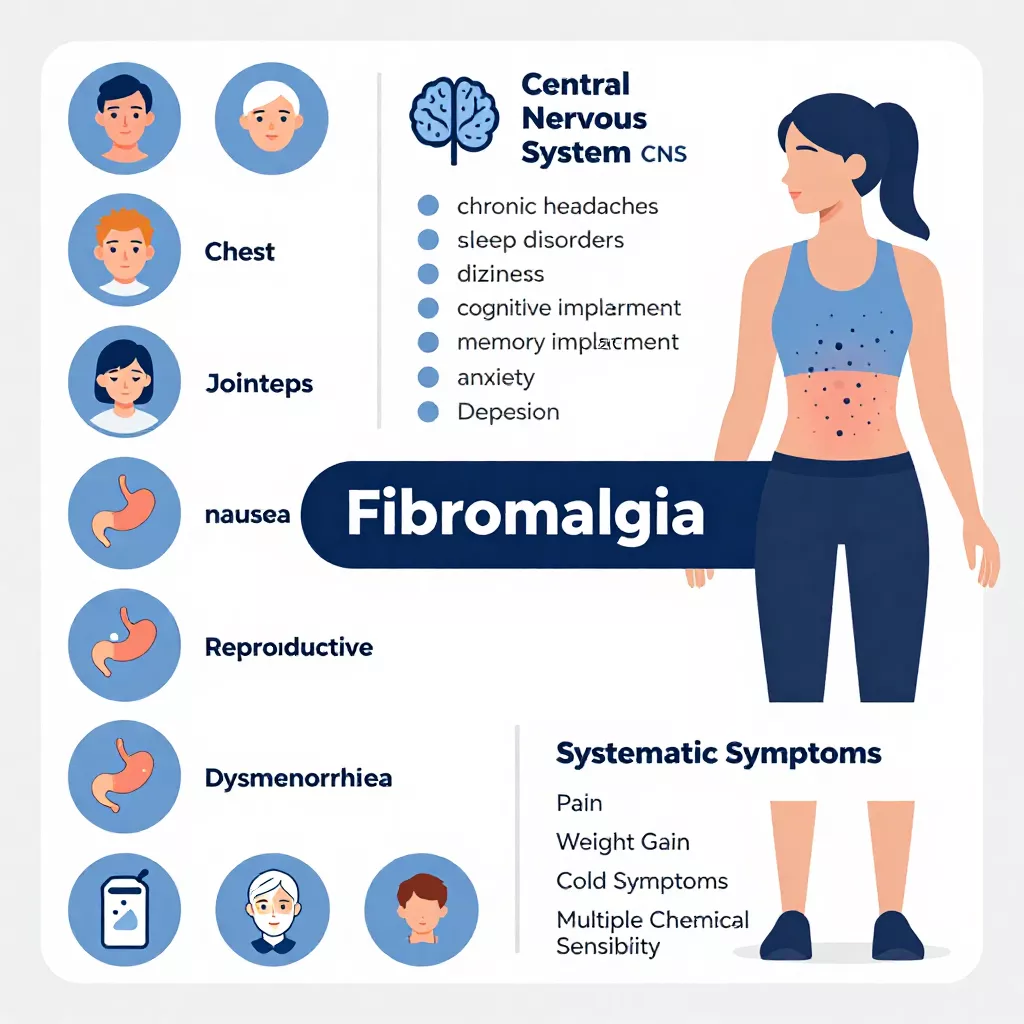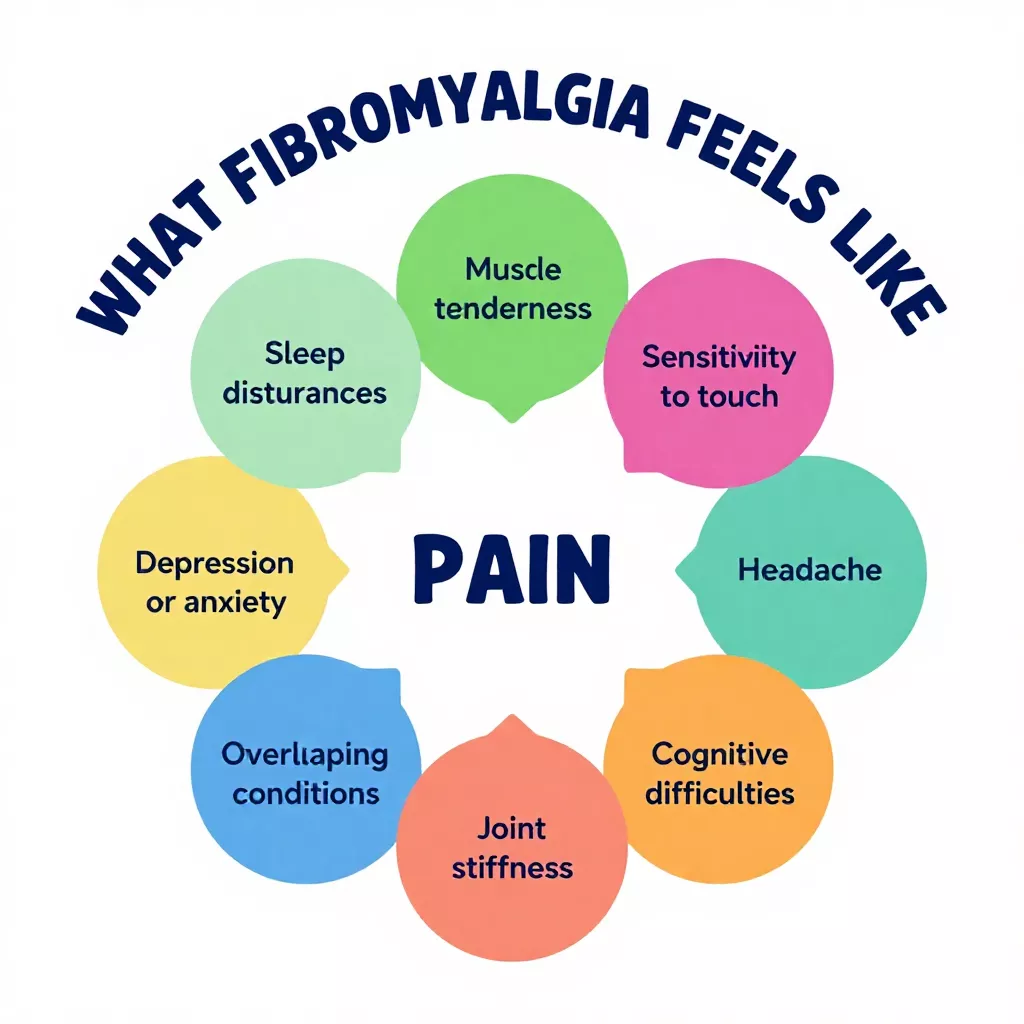

Fibromyalgia is often described as an invisible pain—a condition where patients experience significant and persistent discomfort, yet the cause cannot be easily seen on routine medical tests or scans. Fibromyalgia is more common than many people realize, but it remains underdiagnosed, largely because it does not appear on a single blood test or imaging study. Many patients therefore continue to live with pain while investigations repeatedly come back as “normal.”
This often leads patients on a long and exhausting journey through the healthcare system. Many individuals visit multiple doctors across different specialties, undergo several investigations, and yet still leave without a clear diagnosis. When answers are not readily available, management can become piecemeal and fragmented—a medication from one consultation, some exercises suggested elsewhere, and occasional follow-ups without a coordinated plan. In many cases, treatment becomes heavily dependent on medicines alone, while other important aspects of care are overlooked.
It is important to understand that chronic pain can occur even without visible injury or structural damage. Fibromyalgia is related to changes in how the nervous system processes pain, which means patients can experience widespread discomfort, fatigue, sleep disturbance, and mental exhaustion despite normal scans or laboratory results.
However, fibromyalgia requires a more comprehensive and structured approach to care. Effective management goes beyond medication. In the short and intermediate term, patients benefit from guidance in areas such as physiotherapy, manual therapy, psychotherapy, psychiatric support when required, sleep regulation, and lifestyle adjustments. These interventions help address not only pain but also fatigue, stress, and emotional wellbeing.
In the long term, the goal is to build a sustainable plan that empowers patients through knowledge, lifestyle changes, gradual physical conditioning, and self-management strategies. When patients understand their condition and receive structured support, they are better able to regain confidence and control over their health.
One of the most unfortunate aspects of fibromyalgia is the lack of understanding from others. Because there is no obvious test confirming the diagnosis, families and even society may sometimes believe that the patient is not truly in pain or that the symptoms are “all in the mind.” For patients who have already tried hard to seek answers, this can be deeply discouraging.
Over time, this lack of recognition can create a sense of helplessness and isolation. Patients may feel unsupported medically and socially, leading to reduced confidence, disturbed sleep, anxiety, or depression, which can further worsen the overall condition.
Recognizing fibromyalgia early is important because timely diagnosis and coordinated care can significantly improve outcomes. With the right diagnosis, interdisciplinary support, and a clear long-term plan, patients can move from uncertainty toward understanding and improved quality of life.
At Aster CMI Hospital, a comprehensive interdisciplinary approach is available, bringing together specialists from Pain and Palliative Medicine, Rheumatology, Neurology, Medical Gastroenterology, Physiotherapy and Rehabilitation, Clinical Psychology, Psychiatry, and Dietetics to provide structured and holistic care for patients living with fibromyalgia.