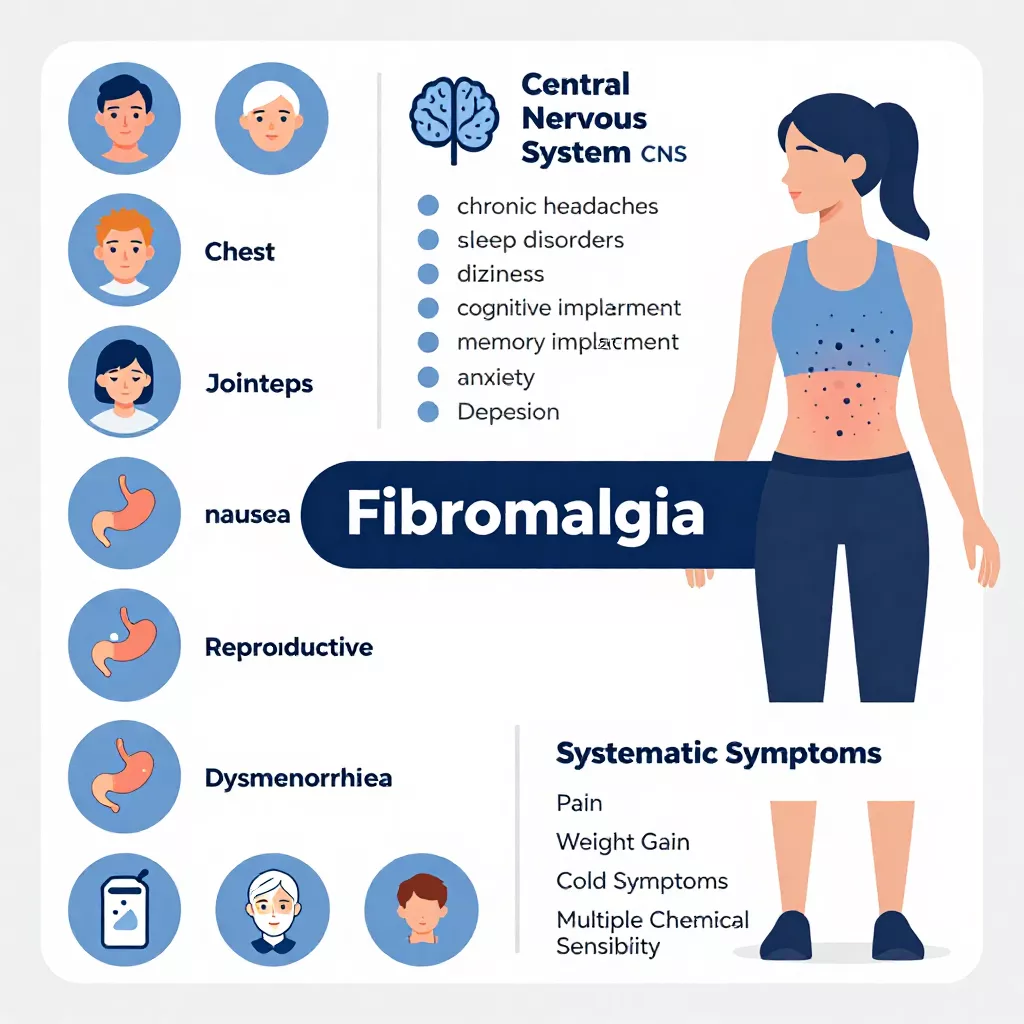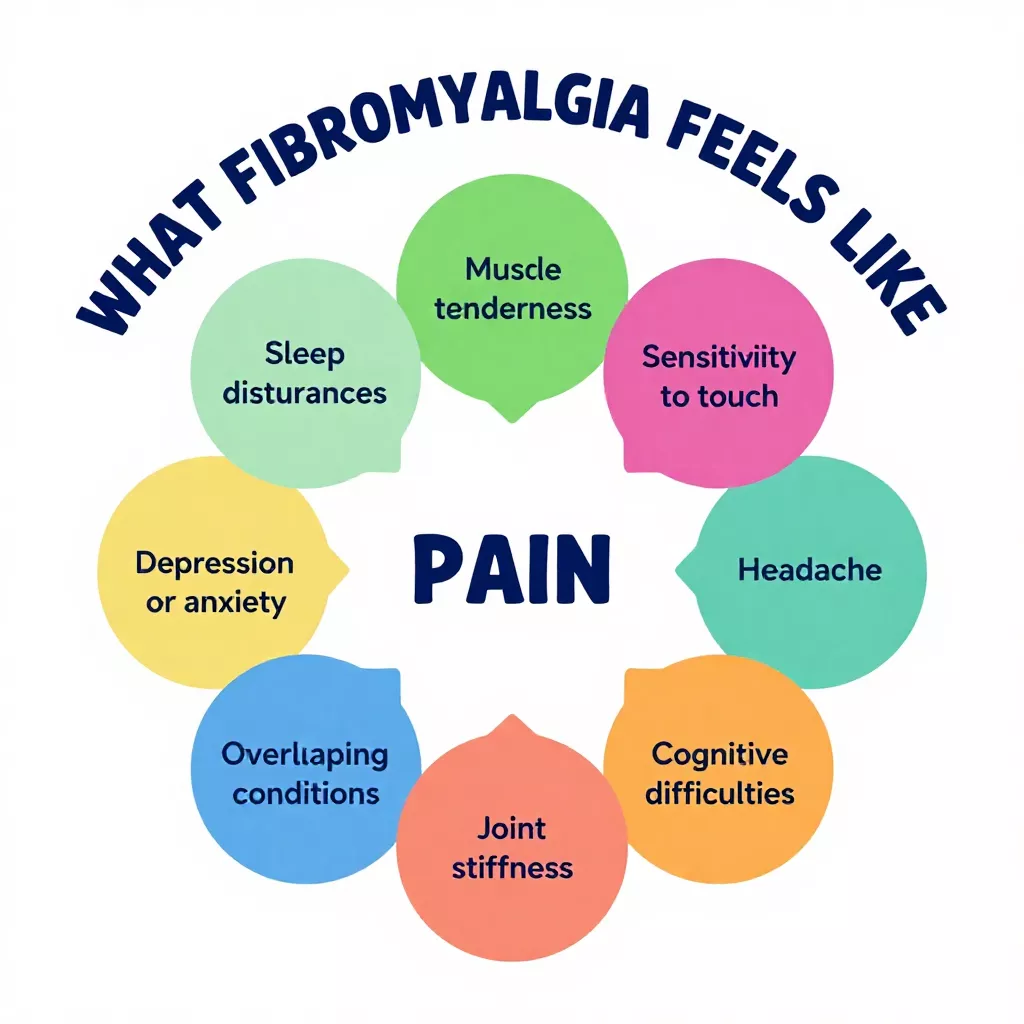

Fibromyalgia is a complex condition that affects far more than just the muscles and joints. Many patients experience widespread pain, fatigue, disturbed sleep, digestive symptoms, mood changes, and difficulty concentrating. Because the condition affects several systems in the body, treatment rarely works well when it relies on a single doctor or only medications. Instead, fibromyalgia care is most effective when delivered through a coordinated, multidisciplinary approach that brings together expertise from several specialties.
A rheumatologist often plays an important role early in the journey. Patients with persistent widespread pain are frequently evaluated to rule out inflammatory or autoimmune diseases such as arthritis or lupus. Establishing the correct diagnosis is an important first step toward meaningful treatment.
A neurologist may also be involved because fibromyalgia is closely linked to how the nervous system processes pain. In many patients, the brain and spinal cord become more sensitive to pain signals—a phenomenon known as central sensitization. Neurological evaluation can also help assess overlapping conditions such as headaches, nerve pain, or sleep disturbances.
Many people living with fibromyalgia also experience digestive symptoms, including bloating, abdominal discomfort, or irritable bowel patterns. In such cases, medical gastroenterology can help assess and manage these associated functional gastrointestinal concerns.
An orthopedic specialist may contribute by evaluating musculoskeletal complaints and ruling out structural conditions affecting the spine, joints, or muscles. This ensures that underlying orthopedic problems are not overlooked during the diagnostic process.
At the center of this approach is the chronic pain specialist, who helps coordinate care and guide the overall management plan. Pain physicians focus on understanding chronic pain from a broader perspective and help patients move beyond medication-only treatment toward a more structured and balanced plan.
Physiotherapy and rehabilitation form a cornerstone of fibromyalgia management. Gentle exercise programs, stretching, graded physical activity, and manual therapy help improve flexibility, reduce stiffness, and gradually rebuild physical endurance. Over time, this improves both function and confidence.
Equally important is the contribution of psychology and psychiatry. Chronic pain can significantly affect emotional well-being and sleep. Psychological therapies such as cognitive behavioral therapy can help patients develop coping strategies, manage stress, and improve sleep quality. When required, psychiatric support can also help address associated anxiety, depression, or persistent insomnia.
Nutrition and lifestyle guidance also play an important role. Dietary adjustments, sleep hygiene, weight management, and stress reduction strategies can positively influence fatigue, digestion, and overall health.
Beyond medical treatment, family understanding and involvement are critical. Because fibromyalgia often does not show obvious signs on tests or scans, patients may sometimes feel misunderstood. When families learn about the condition and participate in the care process, they become an important source of encouragement and stability for the patient.
Fibromyalgia management is therefore not about a single treatment—it is about long-term support, coordinated care, and gradual progress. With the right team-based approach, patients often see improvements in sleep quality, mood stability, physical function, and pain control over time.
At Aster CMI Hospital, this philosophy of care is reflected through an integrated approach where specialists from Chronic Pain Services, Rheumatology, Neurology, Medical Gastroenterology, Orthopedics, Physiotherapy and Rehabilitation, Clinical Psychology, Psychiatry, and Nutrition work together to support patients living with fibromyalgia. Such collaborative care pathways help address the many dimensions of this condition in a structured and supportive way, enabling patients to regain confidence and improve their overall quality of life.